

Most coffee makers are built with plastic parts that come into contact with the hot water used for every single brew. Here’s what the research actually shows about where plastic hides in your machine, and how to keep it out of your cup.

Key Takeaways
- Most standard coffee makers contain plastic parts, from reservoirs to tubing and filter baskets, that can shed microplastics into your cup, especially as they heat up and wear with age.
- A 2026 meta-analysis of 30 studies found that heat is the single biggest driver of how much plastic a container releases.
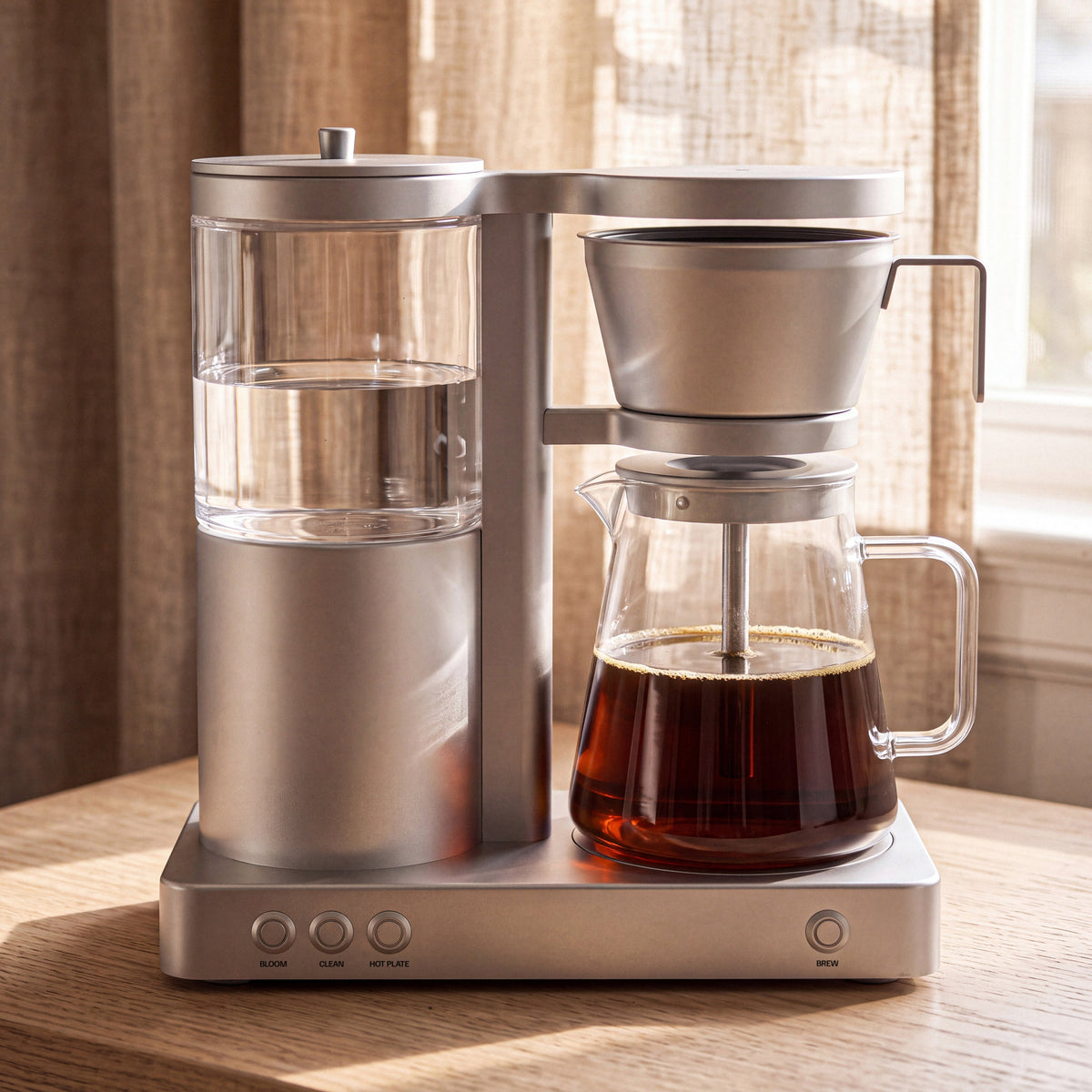
- A non-toxic coffee maker uses stainless steel, borosilicate glass, and ceramic in place of plastic, taking that contact point out of the brew path.
A morning cup of coffee does more than wake you up. The small ritual of brewing your own cup can be one of the better parts of the day. What most people don’t realize is that their brewing method may be adding plastic particles, shed straight into the cup.
Below, we look at why that happens, where plastic hides inside your coffee maker, and how a non-toxic machine can make a real difference.
What are coffee makers made of?
Most coffee makers on the market today are built with plastic components, from water reservoirs to tubing and filter baskets. This keeps the machine cheap up front, but once you hit brew, hot water runs through all that plastic, meaning invisible particles find their way into your drink.
To see how, it helps to trace the path the water actually takes.
The brew path
Picture the process step by step. You fill the reservoir, load your coffee into the basket, and hit brew. In most machines, water travels from a plastic water tank through plastic piping before reaching an aluminum heating tube.
From there, the now-hot water continues through more plastic tubing, a plastic showerhead, and plastic filters before dripping into the carafe. Any of those plastic contact points is a potential source of the microplastics that end up in the finished cup.
How a machine’s heating system releases plastic
Heat is the accelerant. A 2026 meta-analysis pooling 30 studies found that plastic sheds more microplastics as the temperature climbs, with warming a plastic cup from about 5 degrees Celsius to 60 degrees Celsius raising release by roughly a third.
The effect isn’t limited to cups. A 2020 study in Nature Food found that polypropylene, the same plastic used in many pods and machine parts, released dramatically more particles into hot water as temperatures rose toward boiling. A coffee maker runs hot on nearly every cycle, which is why its plastic components are such an efficient route from plastic to cup.
Does the age of your machine matter?
Probably, though this is where the evidence becomes weaker. There’s no coffee-maker-specific study in the peer-reviewed literature that measures how much more an older machine sheds than a newer one. That being said, plastic grows brittle and sheds particles as it ages, and repeated heating accelerates that breakdown.
Europe’s food-safety reviewers reached a consistent conclusion about the mechanism, finding that most microplastic release from food-contact materials comes from physical wear such as abrasion and friction.
Researchers who have studied microplastics in capsule coffee have also suggested, in public comments, that older machines release more than newer ones, though that specific comparison hasn’t yet been published as a formal result. The direction is reasonable, but the precise figures aren’t yet established.
Why coffee makers are especially prone to microplastic release
Coffee makers brings together several conditions that can encourage plastic to shed:
-
High temperature: The same hot water that pulls flavor and caffeine from the beans can release microplastics wherever it meets plastic. This is the best-established driver by far.
-
Contact time: Water often sits in a reservoir, carafe, or cup for a while, giving plastics more opportunity to shed particles.
-
Acidity: Coffee is mildly acidic, around pH 5, which may further encourage plastic to break down, though the evidence here is thinner than for temperature.
-
Daily repetition: Brewing every single day gradually wears down cheaper, less durable components over time.
Together, these factors can make coffee one of the more plastic-intensive drinks in a daily routine.
Heat is the single biggest driver of how much plastic ends up in your cup. — Liu et al., Journal of Hazardous Materials: Plastics, 2026

What materials does a non-toxic coffee maker use?
Everyone has their own preference for their exact coffee order, but almost everyone wants a clean, plastic-free drink. So how does a plastic-free drip coffee maker deliver that? The brewing process stays largely the same, but what changes is the material.
Stainless steel, borosilicate glass, and ceramic are three of the safest options available. Stainless steel 316 resists corrosion so well that it’s used in surgical instruments and harsh marine environments, and now in coffee makers.
Borosilicate glass and ceramic offer a similar advantage, holding up to sharp temperature swings without degrading.
Does material choice affect flavor?
Brewing with a non-toxic coffee maker or drinking from a ceramic mug offers some peace of mind, but does it also taste better? Plastic components can leave a faint chemical note, especially as they age and degrade.
Materials like stainless steel and borosilicate glass are flavor-neutral, so the only thing in your cup is coffee.
Is a BPA-free coffee maker actually safe?
Microplastics aren’t the only thing that can migrate into your drink from machines and cups with plastic. When researchers soaked disposable plastic-lined cups in hot water, the cups shed both microplastic particles and chemicals, including leached metals, into the liquid. A separate study found that a range of disposable plastics release microplastics and harmful substances alike when they hold hot liquid.
And “BPA-free” doesn't close the loophole. Many products carry that label while still using substitutes like BPS and BPF, which have themselves been linked to hormone disruption.
So what does this mean?
Most coffee machines rely on plastic because it’s lightweight and cheap, and those parts can shed microplastics into the cup, especially as they heat and age. Hot water passing through plastic reservoirs, tubing, filters, and carafes is a plausible route, and both wear and temperature push that shedding along.
“BPA-free” labels don’t settle the question, either. Manufacturers often swap in closely related chemicals, and lab studies suggest some of these replacements may affect hormones much the way BPA does. That’s part of why more companies are turning to materials that hold up under heat without breaking down, like stainless steel and glass.
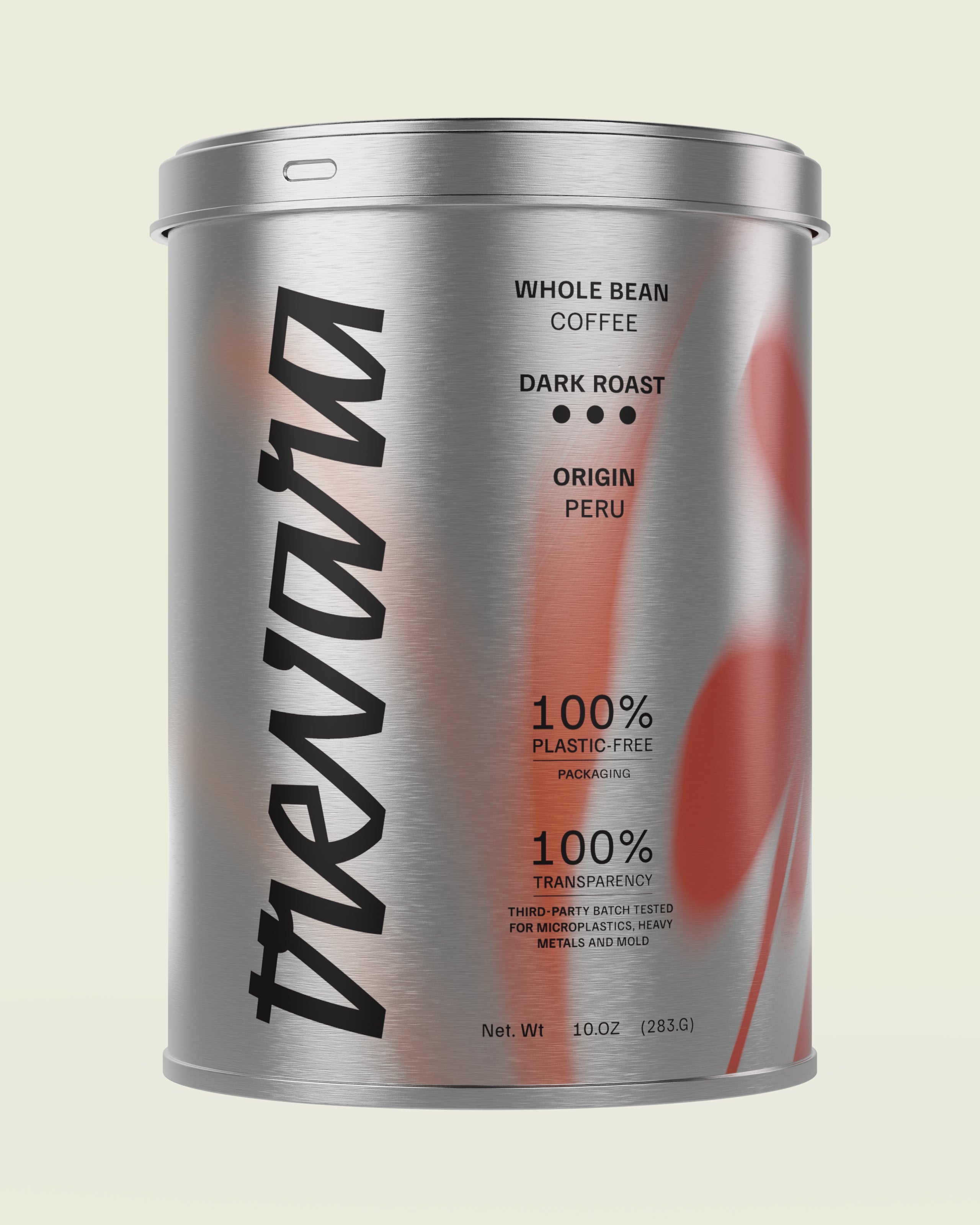
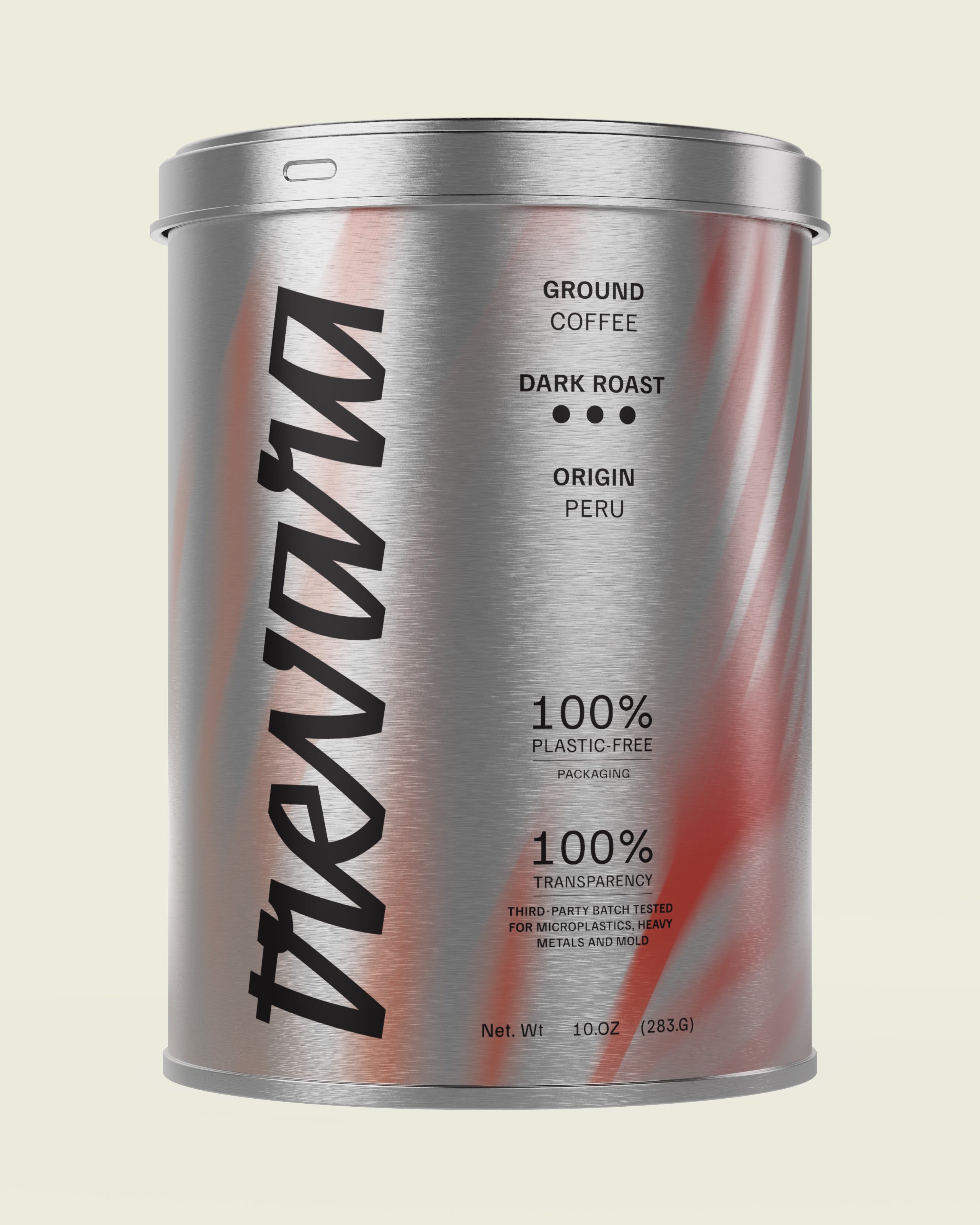
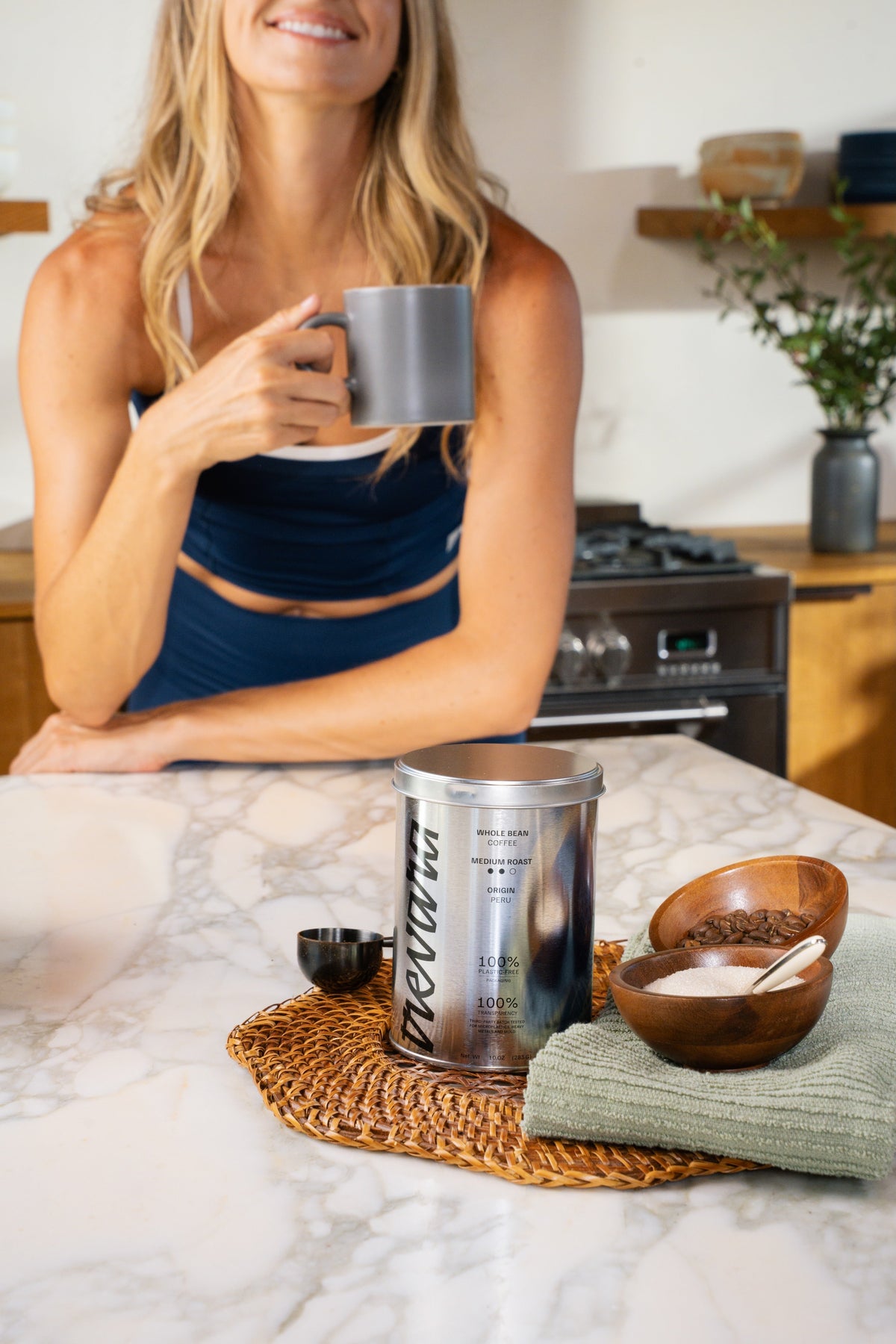
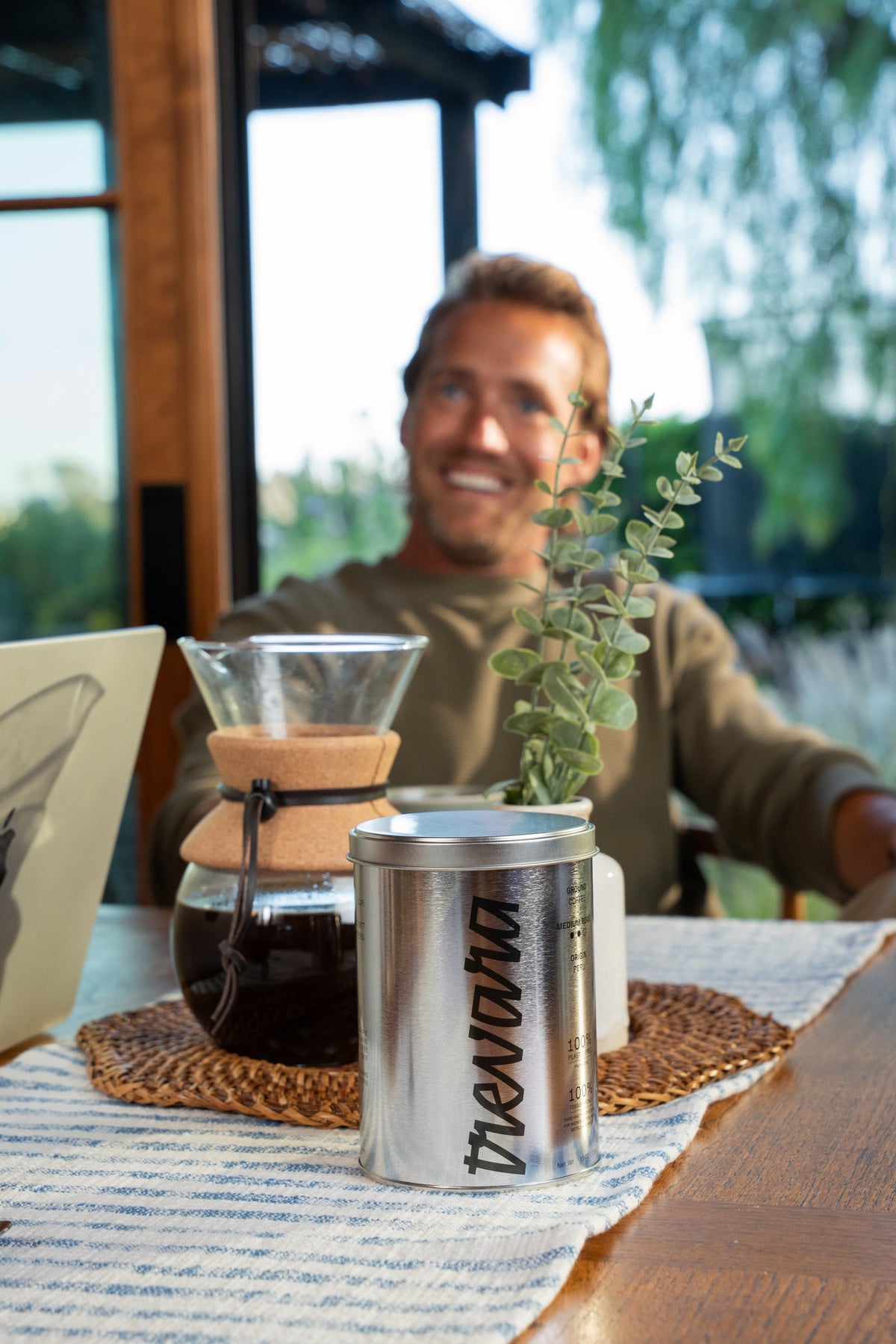
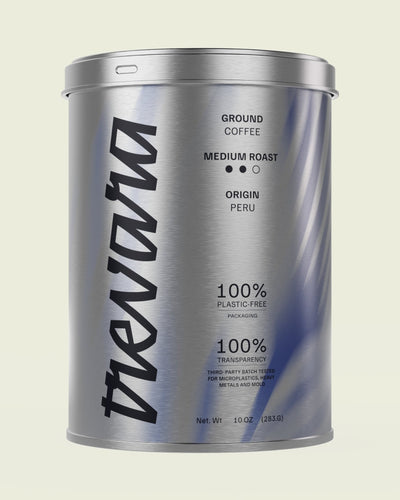
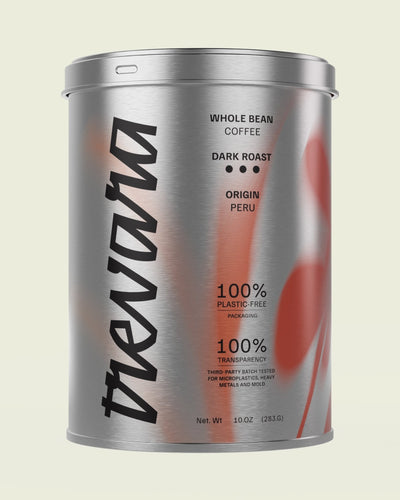
Trevara is one of them. Its plastic-free packaging and brew machines are built from exactly those materials, designed to take plastic out of the brew path from the first step to the last pour.
Explore plastic-free coffee at Trevara.
Article sources
Liu X, Li D, Li Z, Ball AS, Chen C. Release of microplastics from commonly used plastic containers: combined meta-analysis and case study. J Hazard Mater Plast. 2026;2:100028. doi:10.1016/j.hazmp.2025.100028
Al-Mansoori M, Harrad S, Abdallah MAE. Synthetic microplastics in hot and cold beverages from the UK market: comprehensive assessment of human exposure via total beverage intake. Sci Total Environ. 2025;996:180188. doi:10.1016/j.scitotenv.2025.180188
Li D, Shi Y, Yang L, Xiao L, Kehoe DK, Gun'ko YK, Boland JJ, Wang JJ. Microplastic release from the degradation of polypropylene feeding bottles during infant formula preparation. Nat Food. 2020;1(11):746-754. doi:10.1038/s43016-020-00171-y
Liu G, Wang J, Wang M, Ying R, Li X, Hu Z, Zhang Y. Disposable plastic materials release microplastics and harmful substances in hot water. Sci Total Environ. 2022;818:151685. doi:10.1016/j.scitotenv.2021.151685
Ranjan VP, Joseph A, Goel S. Microplastics and other harmful substances released from disposable paper cups into hot water. J Hazard Mater. 2021;404(Pt B):124118. doi:10.1016/j.jhazmat.2020.124118
European Food Safety Authority. Literature review on micro- and nanoplastic release from food contact materials during their use. EFSA Supporting Publication. 2025;22(10):EN-9733. doi:10.2903/sp.efsa.2025.EN-9733