Univ. Birmingham · 2025
01
11–12%
of daily microplastic intake comes from coffee.
Your cart is empty
Start with a can
Reservations are open. A $99 refundable deposit holds your place in the first batch, estimated to ship June 2027. Not ready yet? Leave your email and we'll send production updates and a heads-up before the first batch is fully reserved.
Most coffee ships in plastic-lined bags. Ours is sealed in metal and lab-tested every batch.

We roast in small batches and this one went fast. Leave your email and we'll let you know the day this coffee is back and ready to ship.
We'll email you the day it's ready to ship. Check your inbox for a quick confirmation.


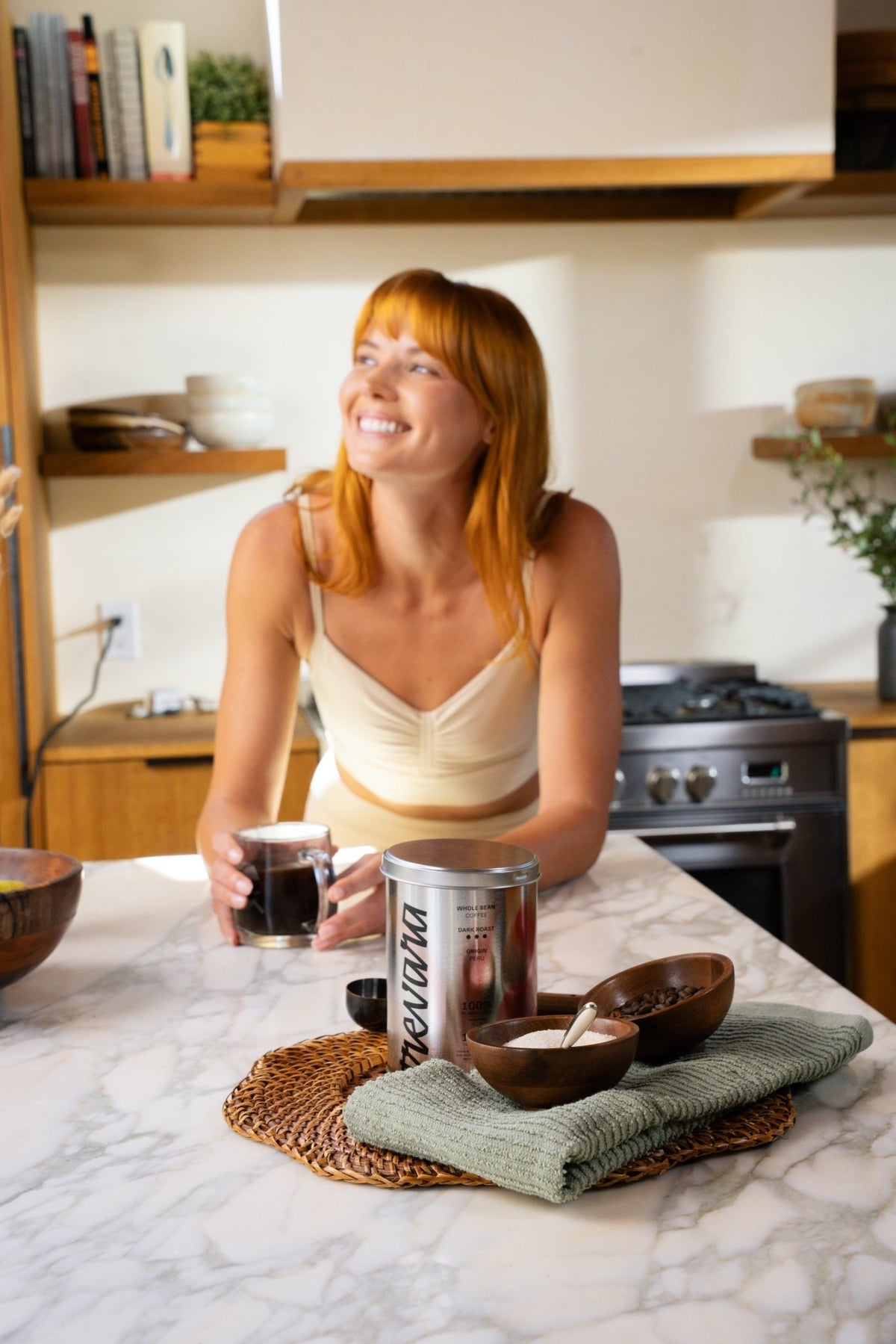
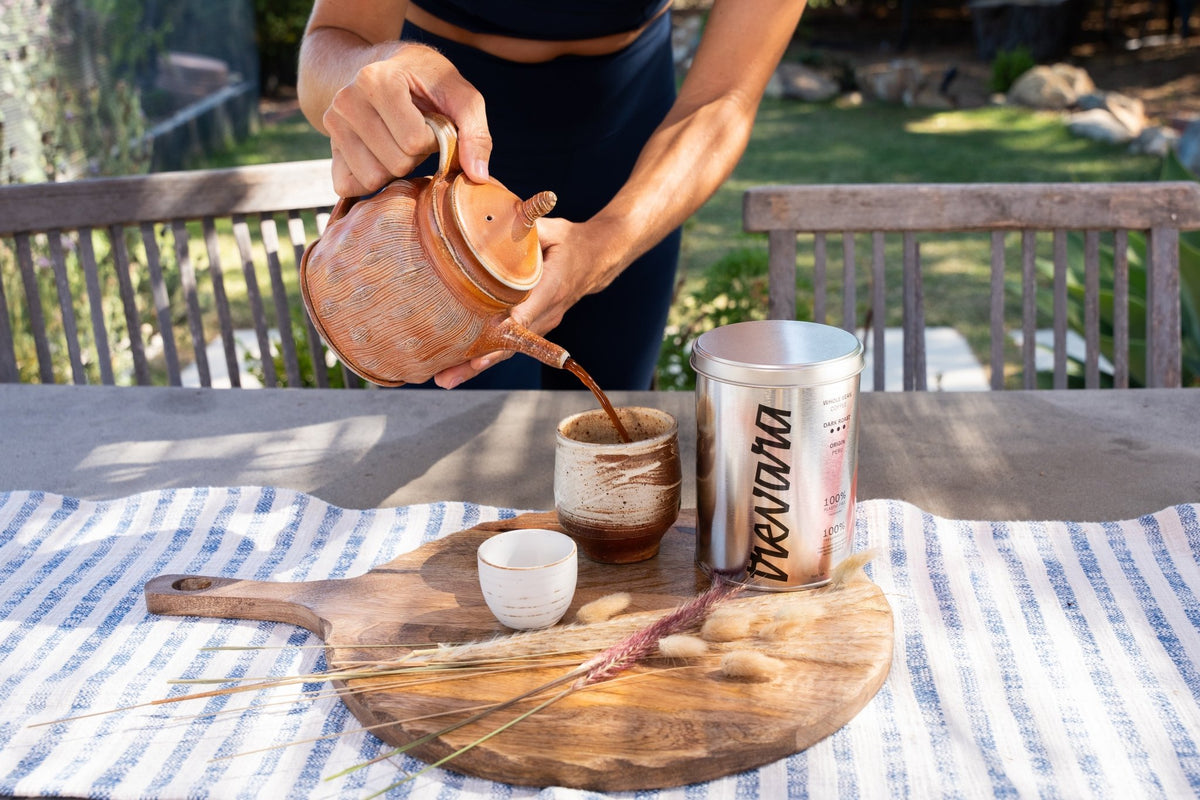
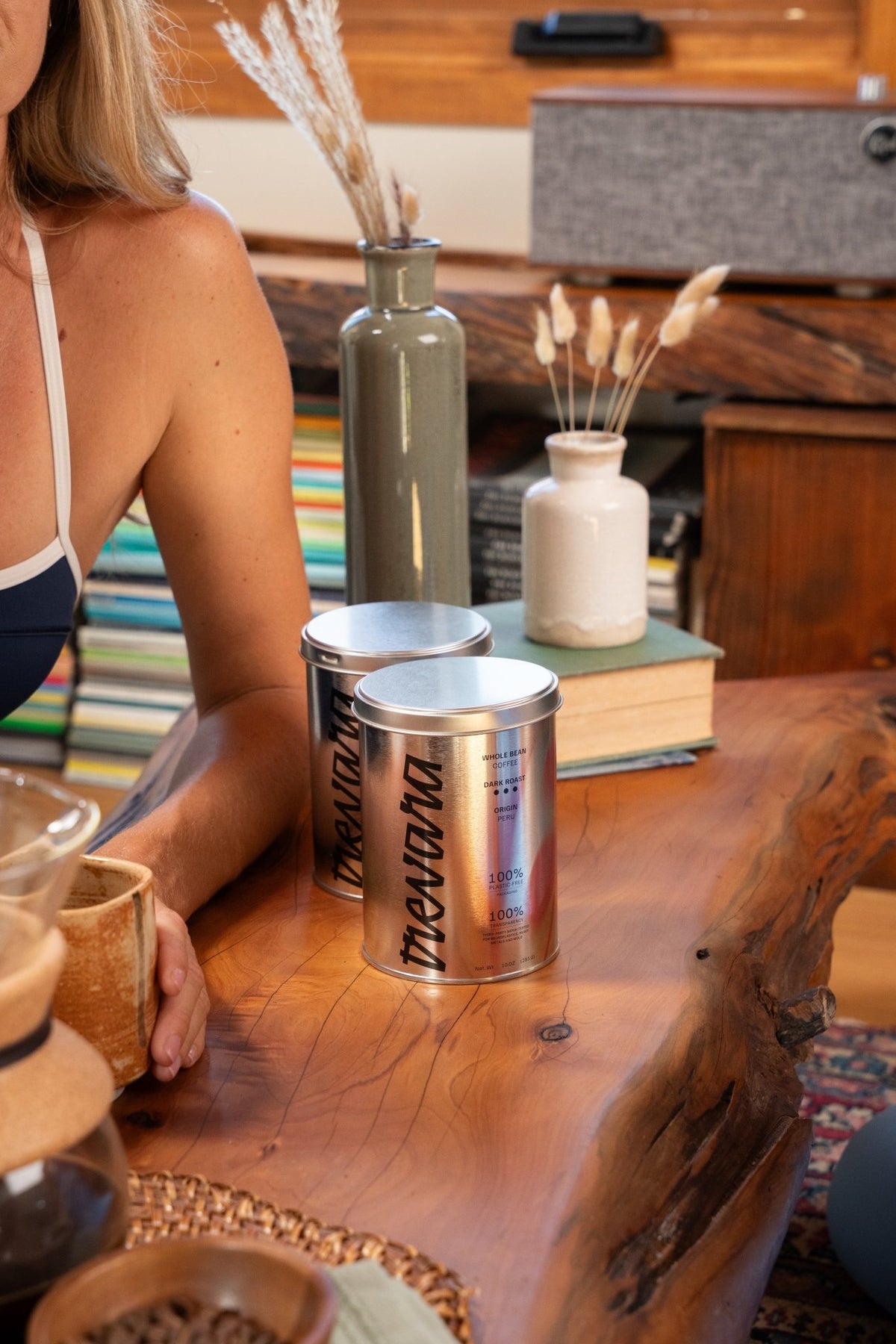
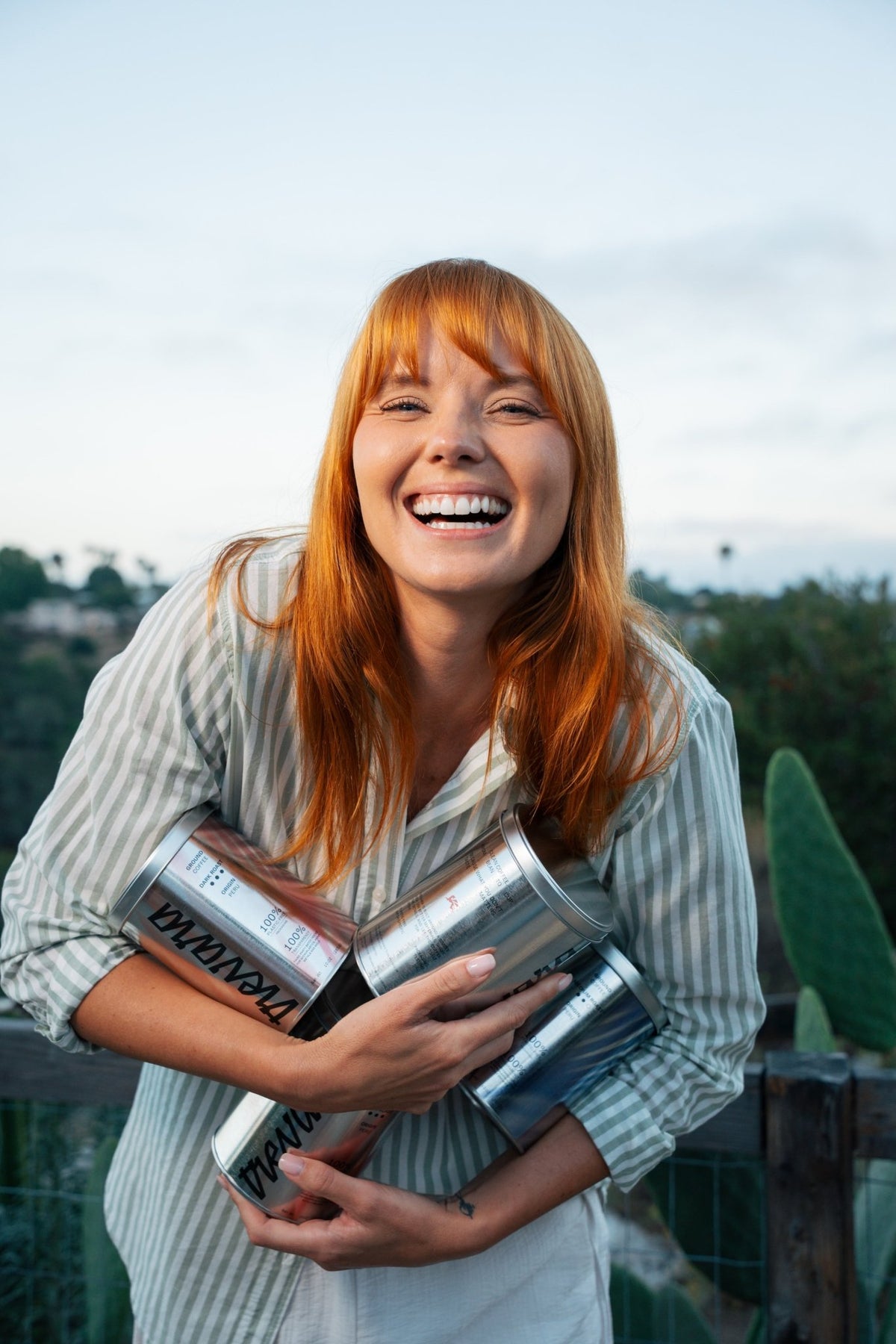
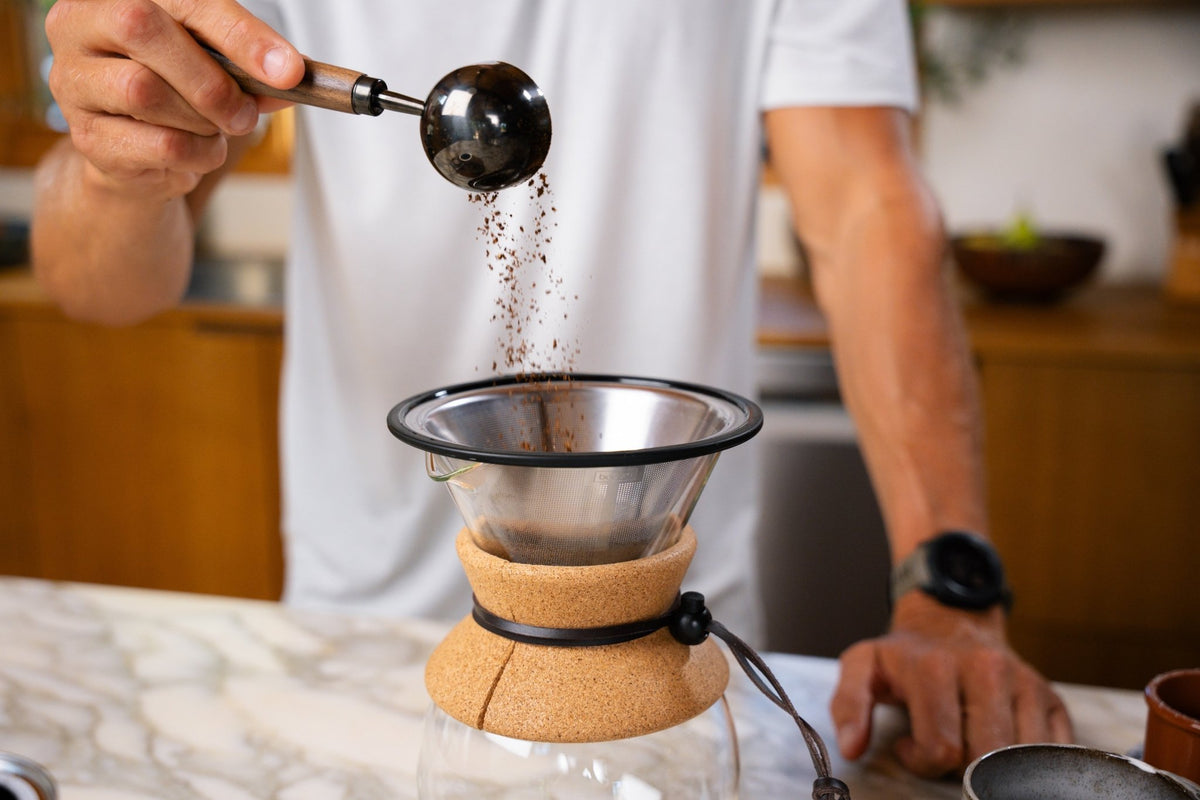
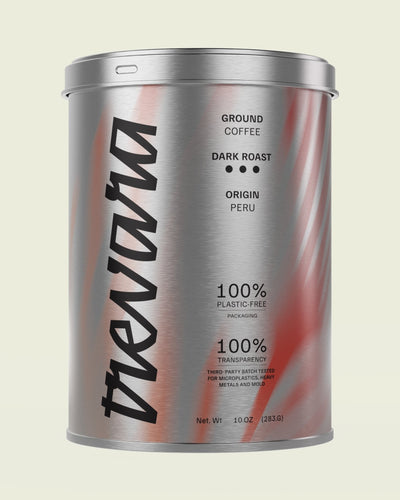
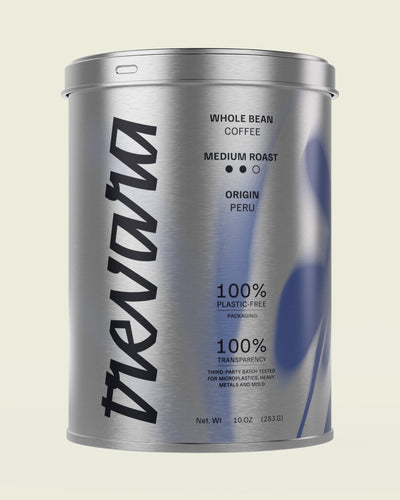
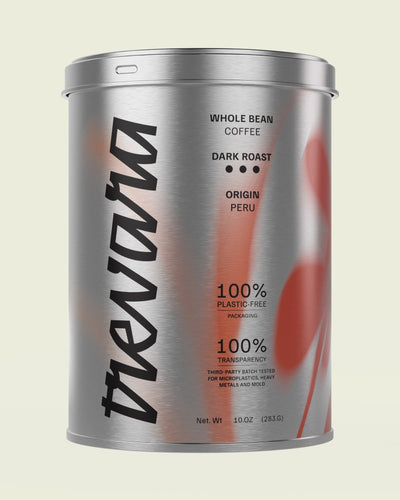
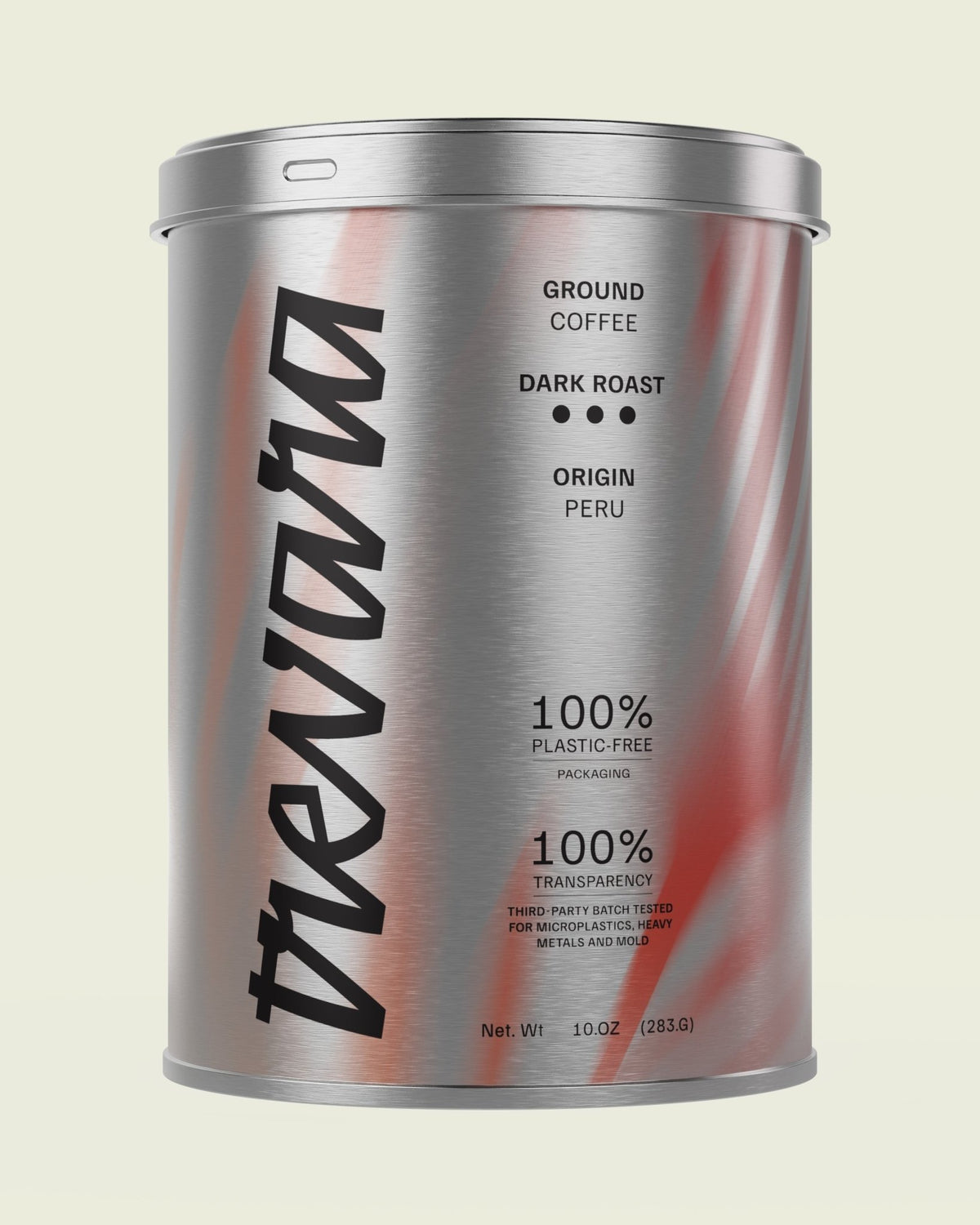
Specialty grade, single origin from Peru.
Amount10 oz per can
Renews at $48.00 every 4 weeks. Skip, pause or cancel anytime.
Discount auto-applied
 Plastic-Free Packaging
 Lab-Tested Every Batch
 Free Shippingon 2+ cans
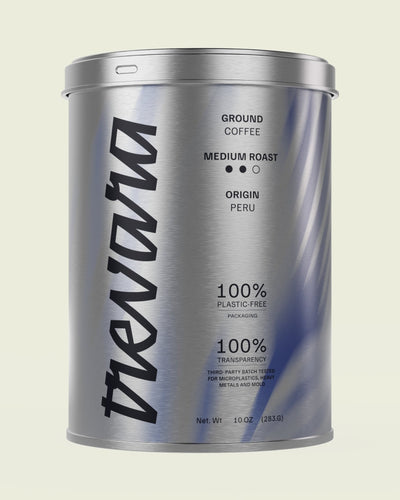
Coffee is the one thing most of us drink every single day, so we set out to make a better daily cup. We take top specialty grade coffees from Peru and send them to an independent third-party lab for testing. Only coffee that passes all tests makes the cut. Then we roast it and seal it in a metal can instead of a plastic-lined bag.
The lab results for the current batch are posted right on this page, so you never have to take our word for it.
Every batch is tested by an independent, third-party lab for four things:
Every batch must pass all four tests to be sold. See the latest results →
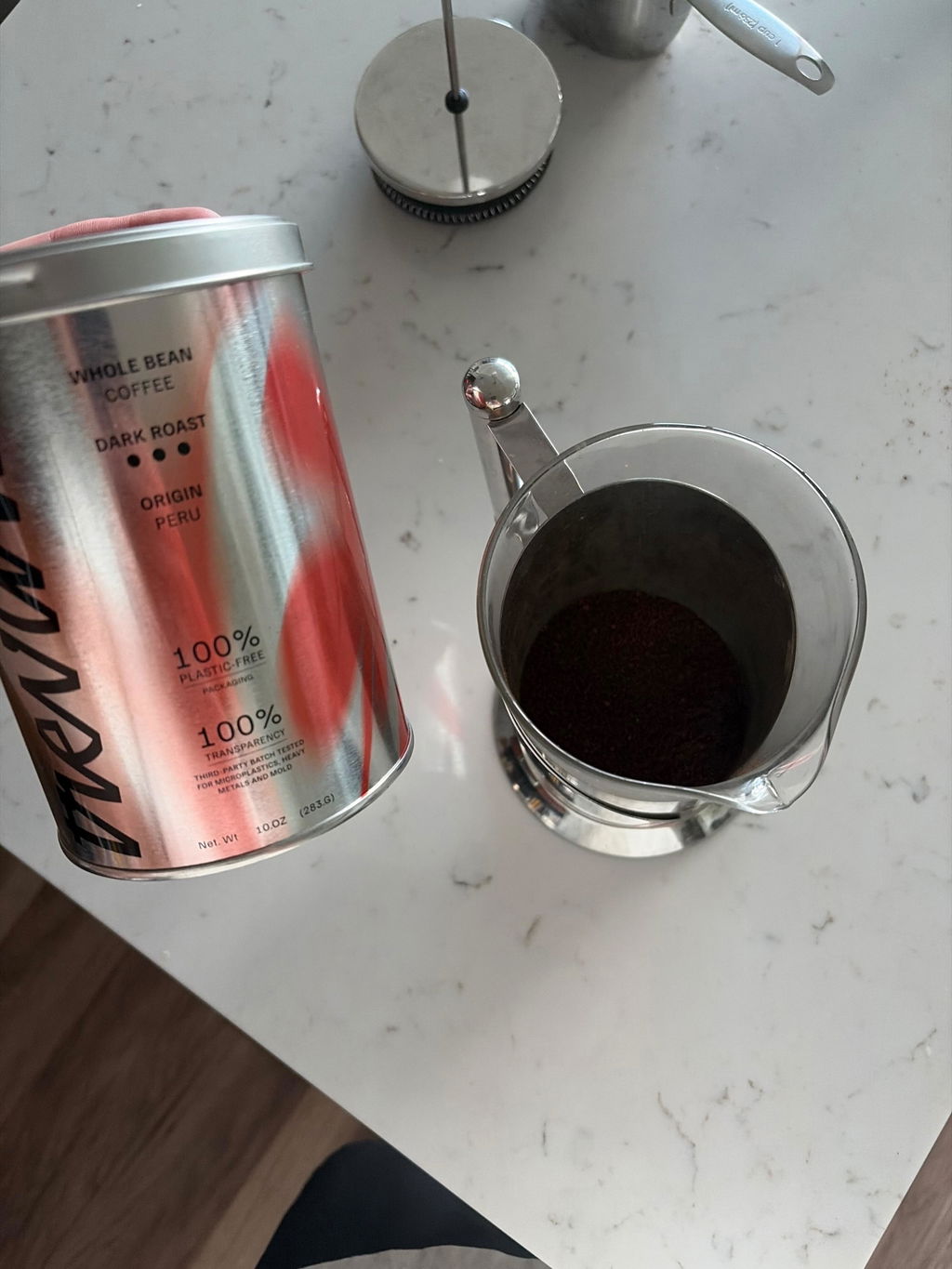
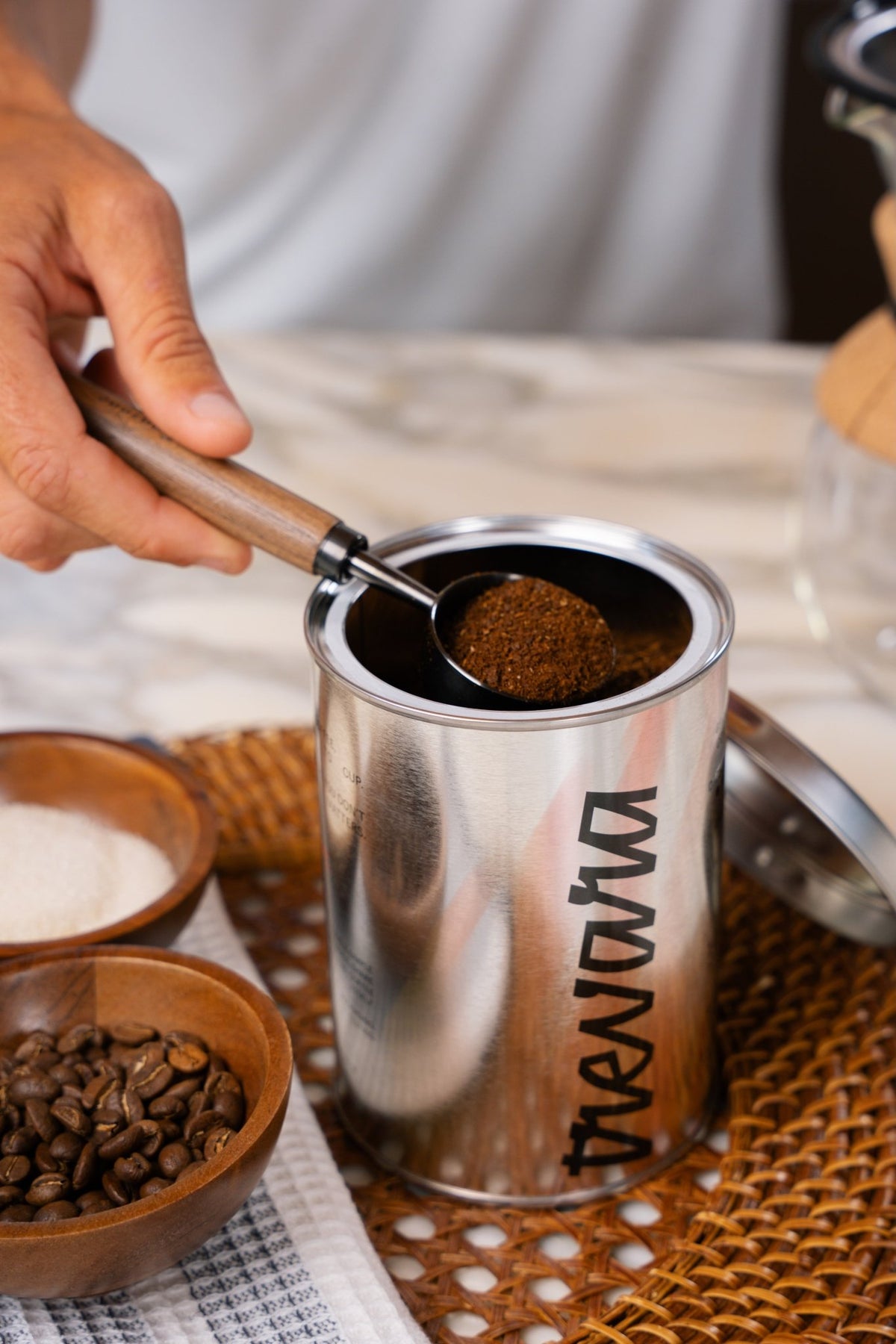
Ground: it's a medium grind made for drip machines and pour-over. If you brew French press or cold brew, Whole Bean lets you grind coarser.
Starting ratio: 2 tablespoons (about 10 g) of coffee per 6 oz of water, just off the boil (195–205°F). Use more coffee for a stronger cup, less for a lighter one.
One can makes about 20 cups of coffee (8 oz each). For one person:
Every can is sealed with a vented foil lid that lets freshly roasted coffee release CO₂. Once opened, keep the can somewhere cool, dry and dark. Skip the fridge and freezer, where moisture gets in. It's best within about a month of opening.
You save 20% on every order for as long as you're subscribed. Choose a delivery every 2, 4, 6 or 8 weeks.
From your account you can skip a delivery, pause, change how often it comes, switch roast or grind, or cancel anytime.
Orders ship within 2 business days, and most arrive within 2–6 business days depending on where you are. Shipping is free on orders of 2+ cans.
If you don't love your first order, email support@trevara.co within 30 days and we'll make it right.
of daily microplastic intake comes from coffee.
Univ. Birmingham · 2025microplastic particles in a typical hot cup.
Indep. lab review · 2024higher risk of heart attack, stroke, or death when microplastics are found in arterial plaque.
NEJM · 2024of daily microplastic intake comes from coffee.
microplastic particles in a typical hot cup.
higher risk of heart attack, stroke, or death when microplastics are found in arterial plaque.
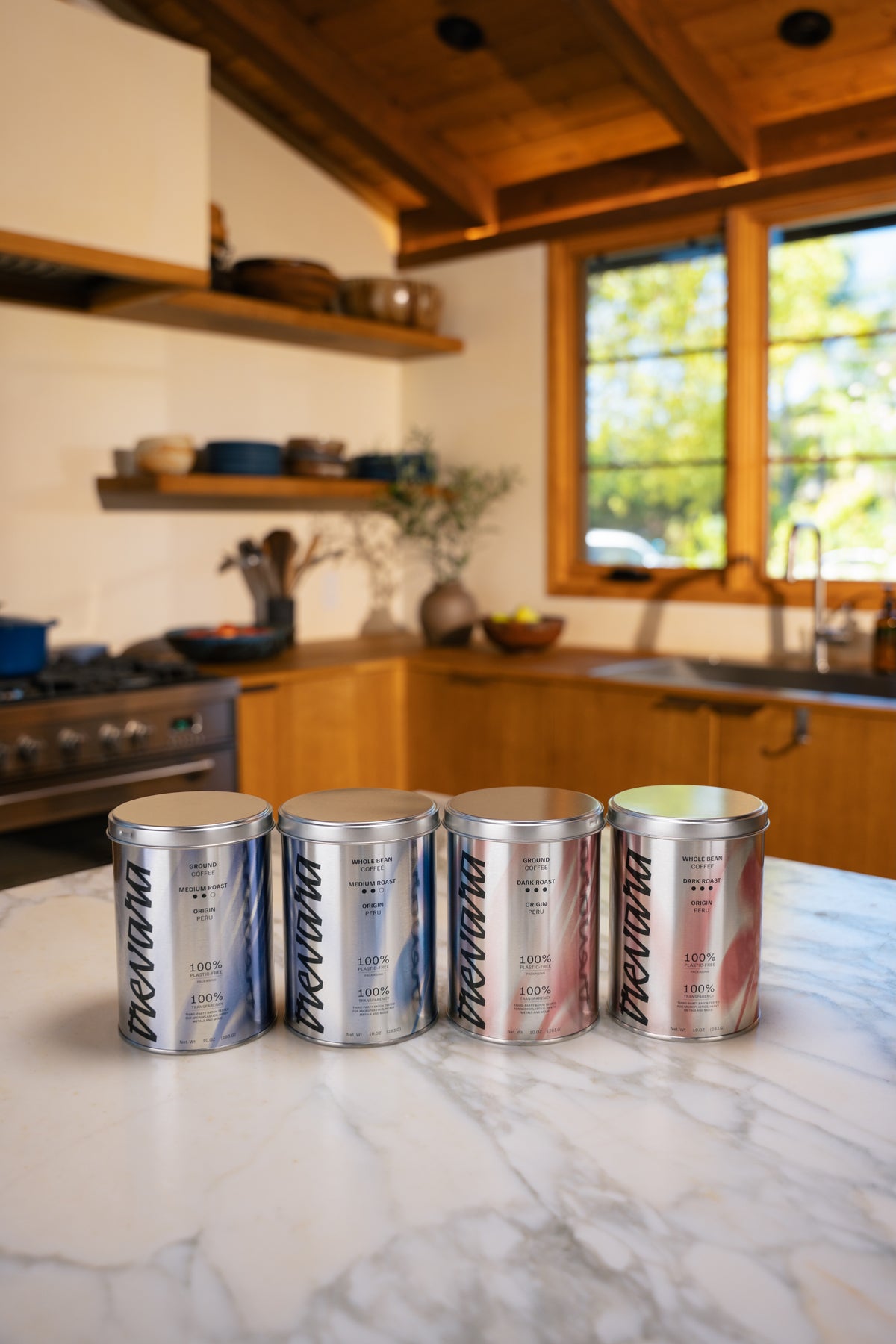
A sealed metal can. Nothing plastic touches the beans between the roaster and your kitchen.

Microplastics, mold, heavy metals, mycotoxins — four measures, run by an independent lab on every batch.
The QR on your can pulls the report for the batch in your hand.
No confirmed microplastic particles above 50 microns, per 8oz cup.
PassWell below safe-handling thresholds.
PassArsenic, cadmium, lead and mercury all below 0.025 ppm.
PassAflatoxins, ochratoxin A, DON, fumonisins, T2 and zearalenone all below detection limits.
Pass
Dark · 5 / 5
Low · 1 / 5
Full & round · 4 / 5
Dark cocoa · 3 / 5


Altitude
1,000–1,800m
Process
Fully washed, sun dried
Varietals
Typica, Caturra, Catuaí, Bourbon


Delicious coffee and proud to support a company prioritizing clean quality ingredients that are plastic free!
I have been buying my beans off trade and other subscription services for the past year. This has exceeded the flavor profile of any bag I’ve gotten from them. And a plus it comes in non plastic reusable packaging. Great beans.
I gotta say, I really love the flavor of this coffee! I am so excited and I will definitely subscribe!
I love the concept of this. Evidently how we prepare our coffee is a significant contributor to microplastics in our bodies. I found this to be more of a medium roast than a dark roast. I like robust flavors in my coffee. This came across more as a classic American breakfast cup.
Great coffee. Very smooth flavor profile. Will definitely be back for more.
So happy to finally get my hands on a plastic free bean!
Smooth!
No plastic touches the coffee at any point we control — from the roaster to the sealed metal can that lands on your doorstep.
Better. It's opaque, rigid and airtight — and light and oxygen are what stale coffee. A sealed metal can keeps both out.
Microplastics, mold, heavy metals and mycotoxins — four measures, run by SGS, an independent accredited lab, on every batch. We publish the full report, thresholds included.
Honestly, nobody knows yet. The research is early, and anyone selling you certainty is selling you something. What is established: microplastics accumulate in the body, and there is no known way to remove them. That makes reducing exposure the only lever — and a daily coffee is one of the more consistent sources. We're not claiming a health benefit. We're removing an exposure and showing you the measurement.