

From pods to pour-overs, some brewing methods put your coffee in contact with more plastic than others. Here’s what the research actually shows about brewing a cleaner cup, and what actually matters.

Key Takeaways
- The materials your coffee touches likely matter more than the brewing method itself. Avoiding plastic in the parts that meet hot water is the main lever for a cleaner cup.
- Polypropylene, the plastic in many pods and machine parts, sheds microplastics in hot water.
- How much plastic actually reaches a given cup isn’t well established, but heat is the clearest driver, so cutting plastic where hot water meets it, from pod to machine to cup, is the best way to limit your exposure.
There are countless ways to make a cup of coffee, each with their own unique brewing flavor. What’s easy to overlook, when you’re weighing price and convenience, is how much plastic the brew actually touches on the way to your cup.
Below, we look at how the common methods compare, what the research does and doesn’t show about chemical exposure, and how to brew a cleaner cup.
How different brewing methods compare
However you brew it, what matters most is the materials your coffee comes into contact with. A drip maker built from stainless steel and glass is less likely to add plastic to your cup than one full of plastic parts. That logic holds across every method, though some lean on plastic more than others.
Here’s how the common ones stack up:
-
Capsule machines usually contain multiple plastic components and push near-boiling water through polypropylene capsules.
-
Drip coffee makers vary. Models built from glass and stainless steel offer the cleanest brew, while those with plastic components may shed microplastics during brewing.
-
French presses are often made from glass and metal and rarely add much, unless they include plastic plungers, lids, or sleeves.
-
Pour-overs vary too. Stainless steel or ceramic drippers are clean options; it’s worth checking what the paper filters are made from.
-
AeroPresses are portable and convenient, but some models use polypropylene and silicone parts that meet hot water while brewing.
-
Moka pots are typically stainless steel or aluminum, with stainless steel the more chemically resistant of the two.
Do K-Cups release microplastics and chemicals?
Keurig machines and capsules are everywhere, and research has detected estrogenic chemicals in capsule coffee, though at levels the authors judged low relative to safety guidelines.
What about microplastics? Here the evidence is thinner than you might expect. Polypropylene, the plastic K-Cups are made from, does shed particles in hot water, and disposable plastic cups have been measured releasing several hundred to a few thousand microplastic particles per liter of hot liquid.
But those are drinking cups, not capsules, and there isn’t a reliable per-capsule count in the peer-reviewed literature. The most capsule-relevant work to date traced the microplastics found in machine-brewed capsule coffee back to packaging polymers. So it’s fair to call capsules a plausible source, and equally fair to say the exact amount isn’t established.

Do coffee maker materials release microplastics?
Polypropylene shows up in all kinds of household items, from food containers to baby bottles to the internal parts of coffee makers. One reason it draws scrutiny: a 2020 study in Nature Food found polypropylene baby bottles can release up to 16.2 million particles per liter of formula when prepared with hot water.
This is the same material used in many mainstream coffee brewers.
Polypropylene baby bottles, the same material used in many coffee brewers, can release up to 16,200,000 microplastic particles per liter of formula. — Li et al., Nature Food, 2020
Baby bottles aren’t coffee makers, so treat that number as a signal rather than a measurement. The signal is temperature.
The same study found polypropylene shedding about 600,000 particles per liter at room temperature and 55 million at 95°C, and a 2026 meta-analysis of container studies found the same pattern across materials: the hotter the liquid, the more plastic sheds. Brew water sits squarely in that range.
How much of that reaches a given cup is still an open question, which is the reason to focus on materials rather than chase a single number.
Reducing your exposure to microplastics and chemicals
A good place to start is the machine itself. One built without plastic parts keeps your coffee from touching plastic after you hit brew, so choosing brands that use stainless steel, borosilicate glass, or ceramic can help reduce your exposure.
Going beyond the machine
Once you swap your machine, another place to look is the packaging of your beans. Coffee can pick up contaminants before it enters the machine or after it leaves. Chemicals can migrate from polyethylene packaging into food, according to a 2023 systematic review, though whether microplastic particles migrate into dry beans specifically isn't established. And plastic cups can shed microparticles into your drink, especially when filled with hot liquid.
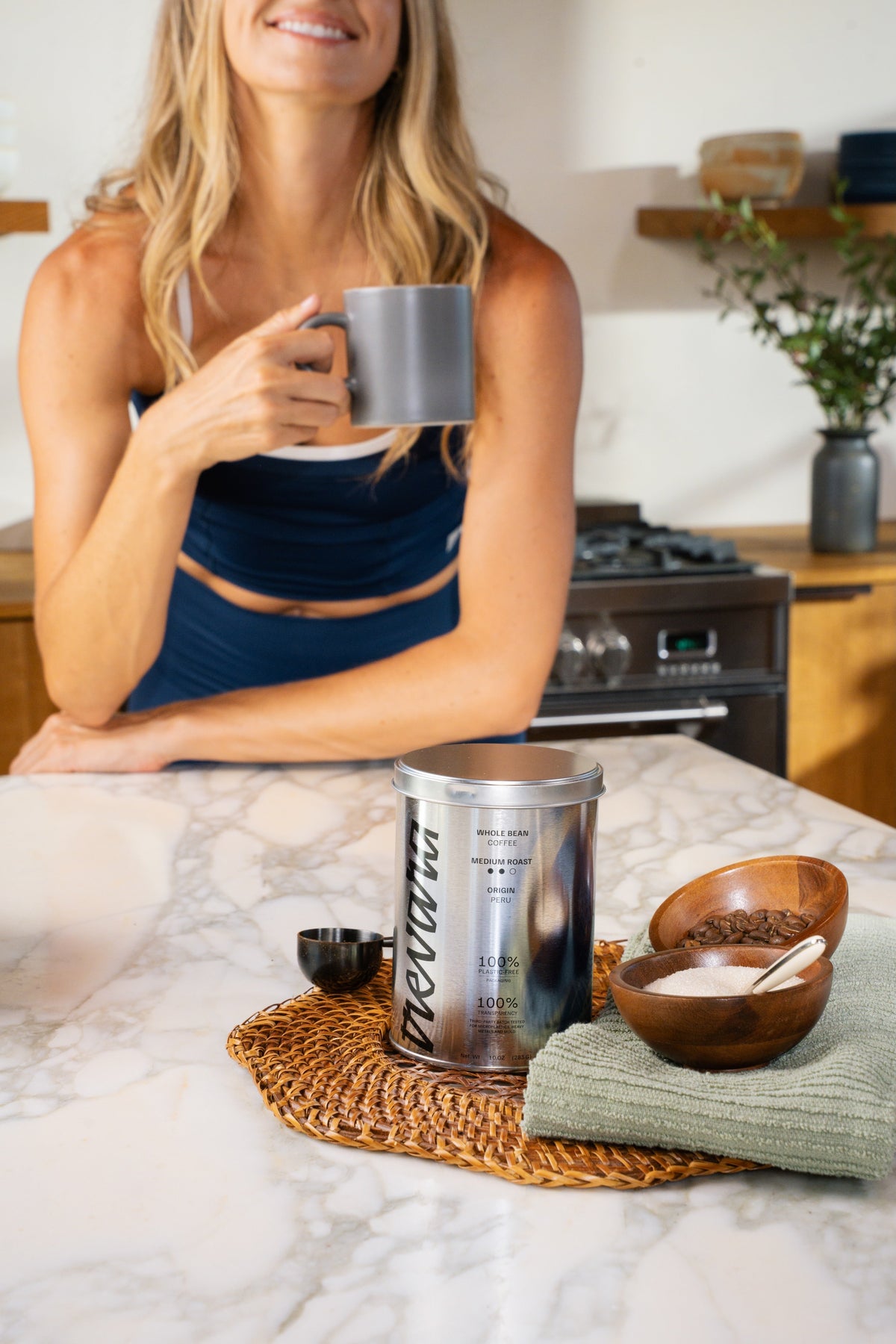
So it helps to think about coffee in three stages: stored in plastic-free containers, made in a plastic-free machine, and drunk from a plastic-free cup.
What does this mean?
There isn’t much research on coffee machines specifically, so the best way we can draw conclusions is by looking at similar products. Related products made from the same plastics, like polypropylene bottles, release large numbers of particles in hot water, and a 2026 meta-analysis confirmed that heat is the main driver of release from plastic containers.
But how much actually reaches a cup of coffee is uncertain. So the sensible move is to reduce plastic contact where it’s easy, by choosing machines and cups made from stainless steel, glass, or ceramic.
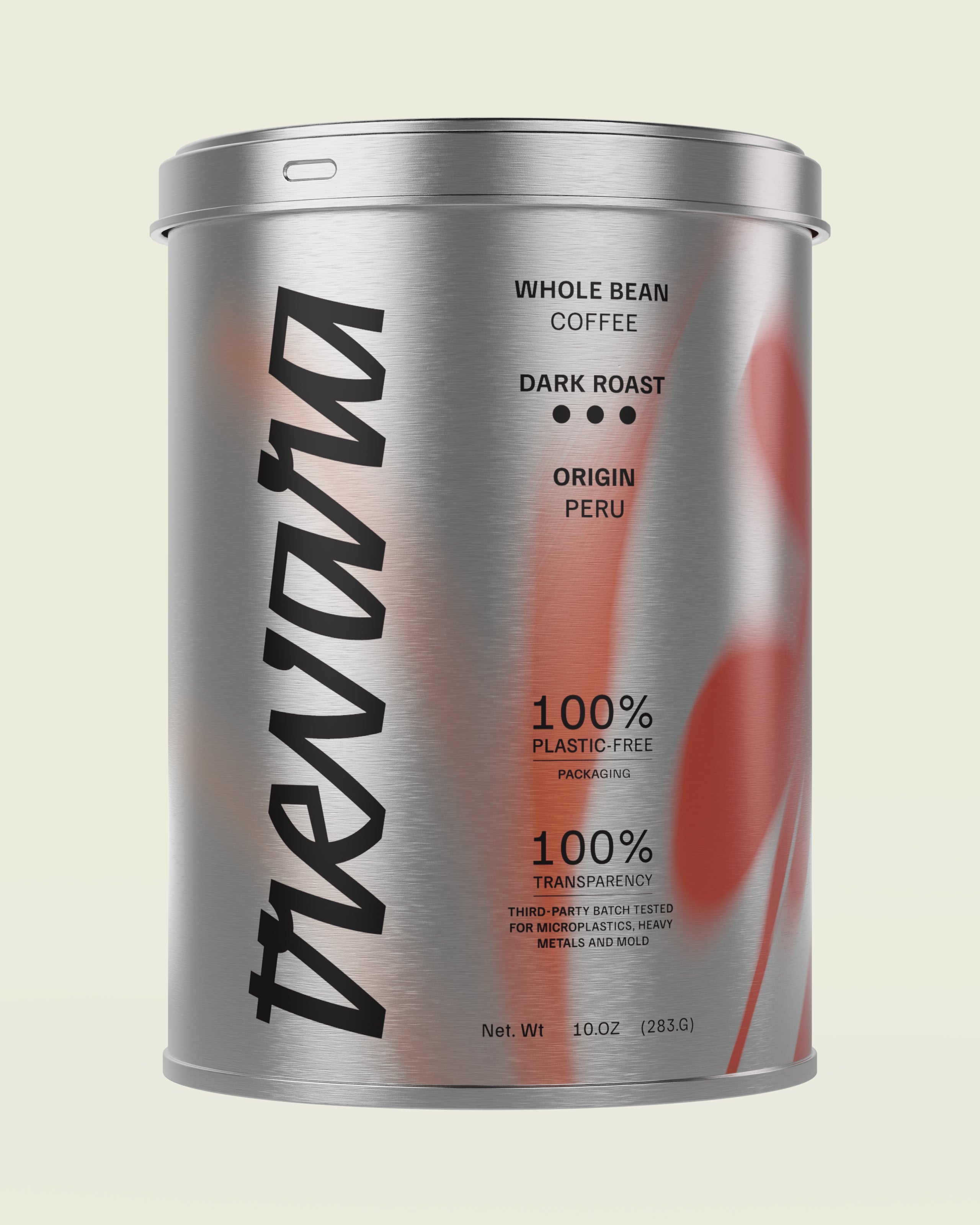
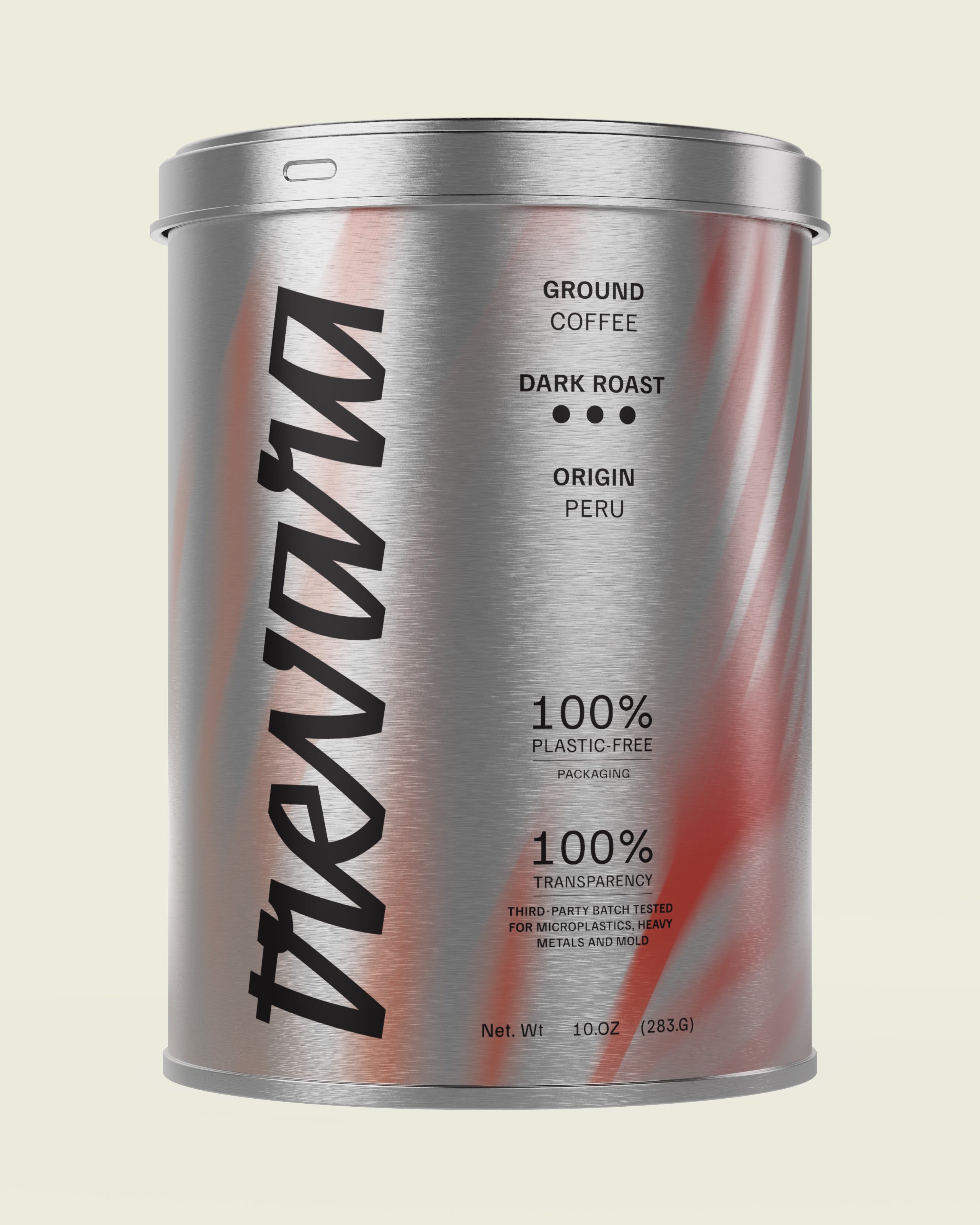
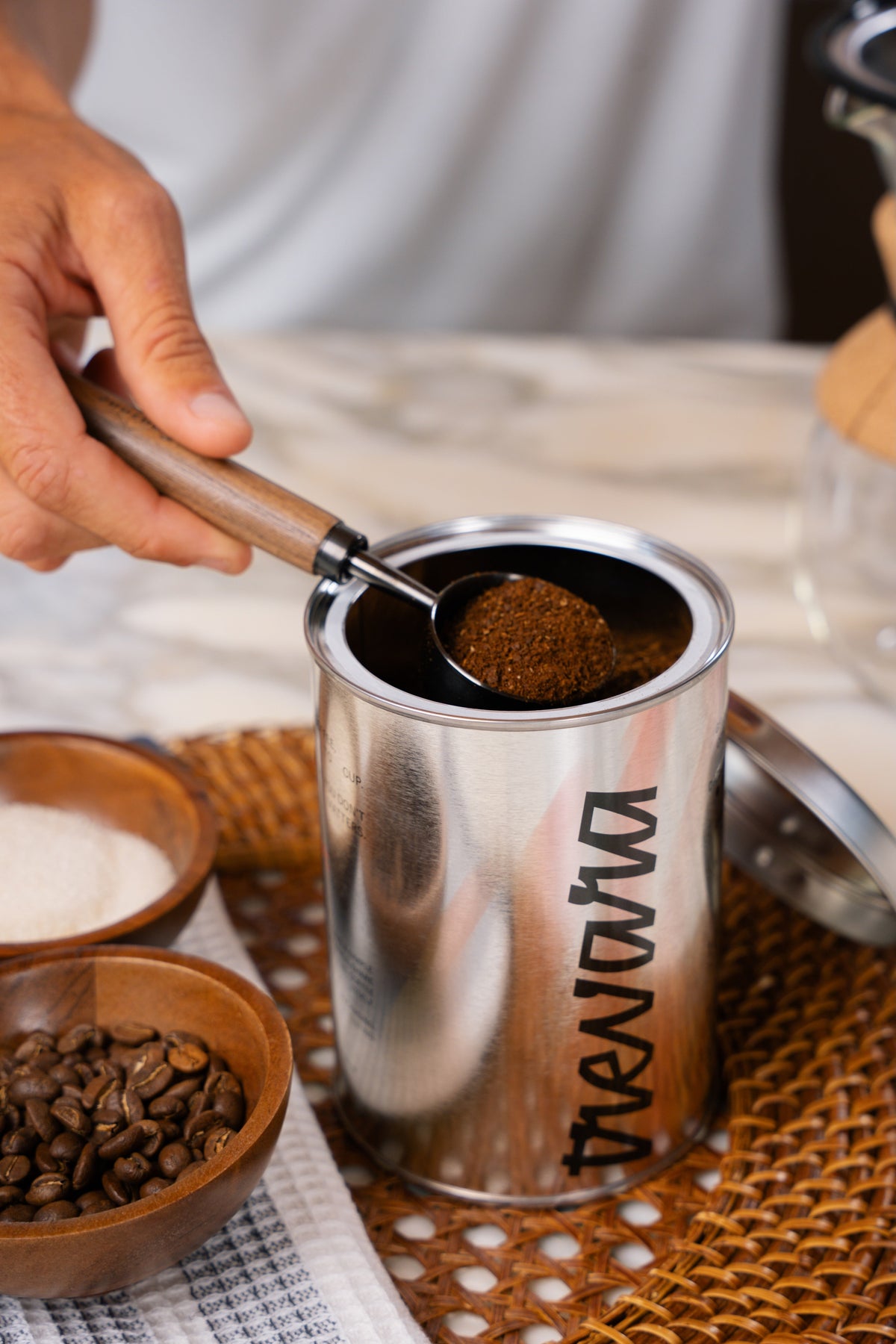
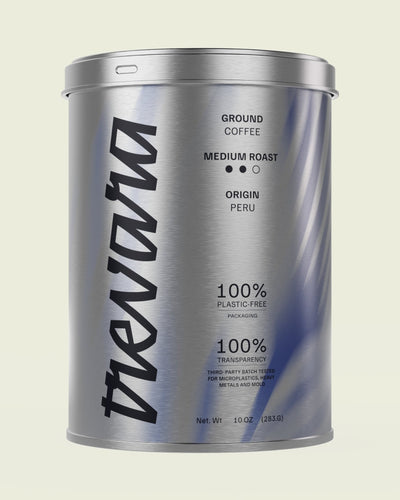
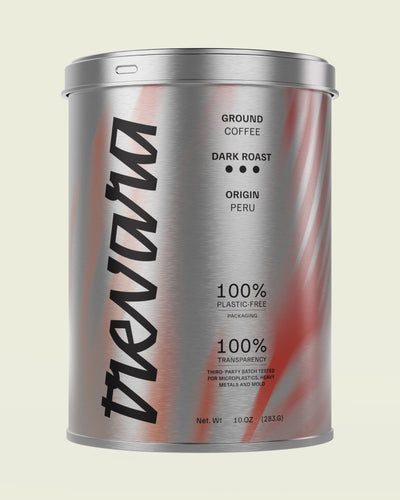
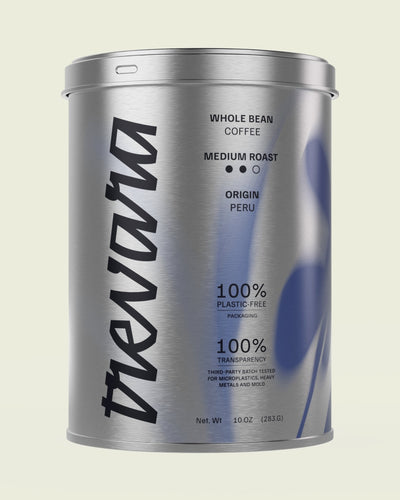
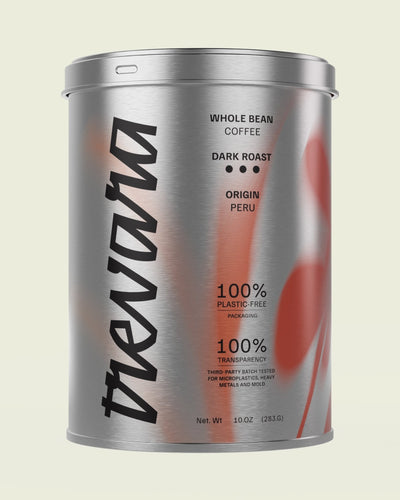
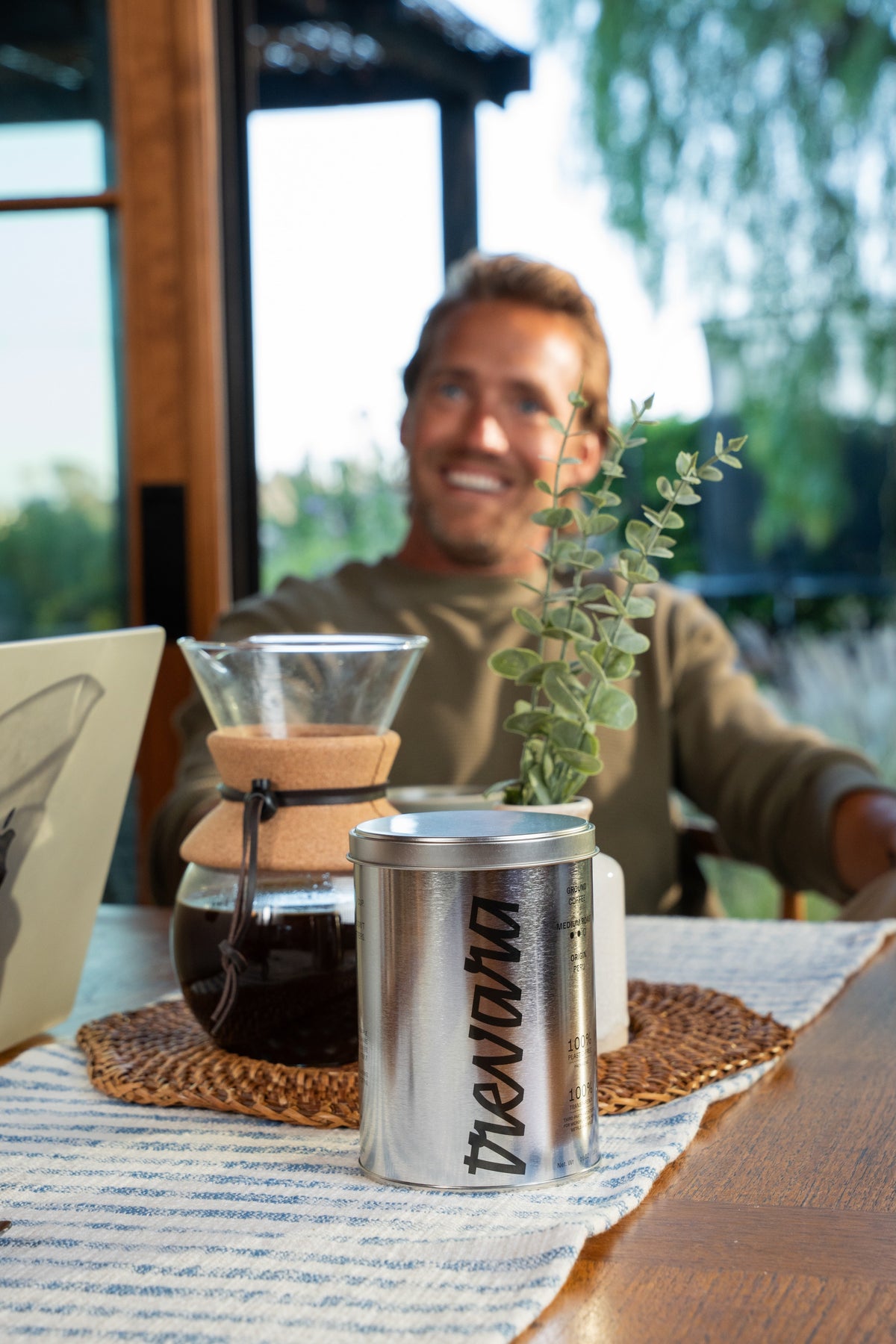
That’s where Trevara comes in. Trevara builds its brewers from stainless steel and glass and packages its beans without plastic, so you can keep plastic out of your coffee at every stage.
Explore plastic-free coffee at Trevara.
Article sources
-
Li D, Shi Y, Yang L, Xiao L, Kehoe DK, Gun'ko YK, Boland JJ, Wang JJ. Microplastic release from the degradation of polypropylene feeding bottles during infant formula preparation. Nat Food. 2020;1(11):746-754. doi:10.1038/s43016-020-00171-y
-
Liu X, Li D, Li Z, Ball AS, Chen C. Release of microplastics from commonly used plastic containers: combined meta-analysis and case study. J Hazard Mater Plast. 2026;2:100028. doi:10.1016/j.hazmp.2025.100028
-
Sakaki JR, Melough MM, Provatas AA, Perkins C, Chun OK. Evaluation of estrogenic chemicals in capsule and French press coffee using ultra-performance liquid chromatography with tandem mass spectrometry. Toxicol Rep. 2020;7:1020-1024. doi:10.1016/j.toxrep.2020.08.015
-
Sakaki JR, Provatas AA, Perkins C, Chun OK. Urinary excretion of estrogenic chemicals following consumption of capsule coffee and French press coffee: a crossover study. Toxicol Rep. 2022;9:728-734. doi:10.1016/j.toxrep.2022.03.024
-
Chen H, Xu L, Yu K, Wei F, Zhang M. Release of microplastics from disposable cups in daily use. Sci Total Environ. 2023;854:158606. doi:10.1016/j.scitotenv.2022.158606
-
Ranjan VP, Joseph A, Goel S. Microplastics and other harmful substances released from disposable paper cups into hot water. J Hazard Mater. 2021;404(Pt B):124118. doi:10.1016/j.jhazmat.2020.124118
-
Al-Mansoori M, Harrad S, Abdallah MAE. Synthetic microplastics in hot and cold beverages from the UK market: comprehensive assessment of human exposure via total beverage intake. Sci Total Environ. 2025;996:180188. doi:10.1016/j.scitotenv.2025.180188
-
Gerassimidou S, Geueke B, Groh KJ, Muncke J, Hahladakis JN, Martin OV, Iacovidou E. Unpacking the complexity of the polyethylene food contact articles value chain: a chemicals perspective. J Hazard Mater. 2023;454:131422. doi:10.1016/j.jhazmat.2023.131422
-
European Food Safety Authority. Literature review on micro- and nanoplastic release from food contact materials during their use. EFSA Supporting Publication. 2025;22(10):EN-9733. doi:10.2903/sp.efsa.2025.EN-9733