Univ. Birmingham · 2025
01
11–12%
of daily microplastic intake comes from coffee.
Your cart is empty
Start with a can
We are finalizing the last touches on a healthier way to brew. Be the first to know the moment the waitlist opens for orders.
We'll email you when pre-sales open — expected December. Limited spots in Batch №1.
Confirmation sent — if it's not in your inbox, check spam.

We roast in small batches and this one went fast. Leave your email and we'll let you know the day this coffee is back and ready to ship.
We'll email you the day it's ready to ship. Check your inbox for a quick confirmation.


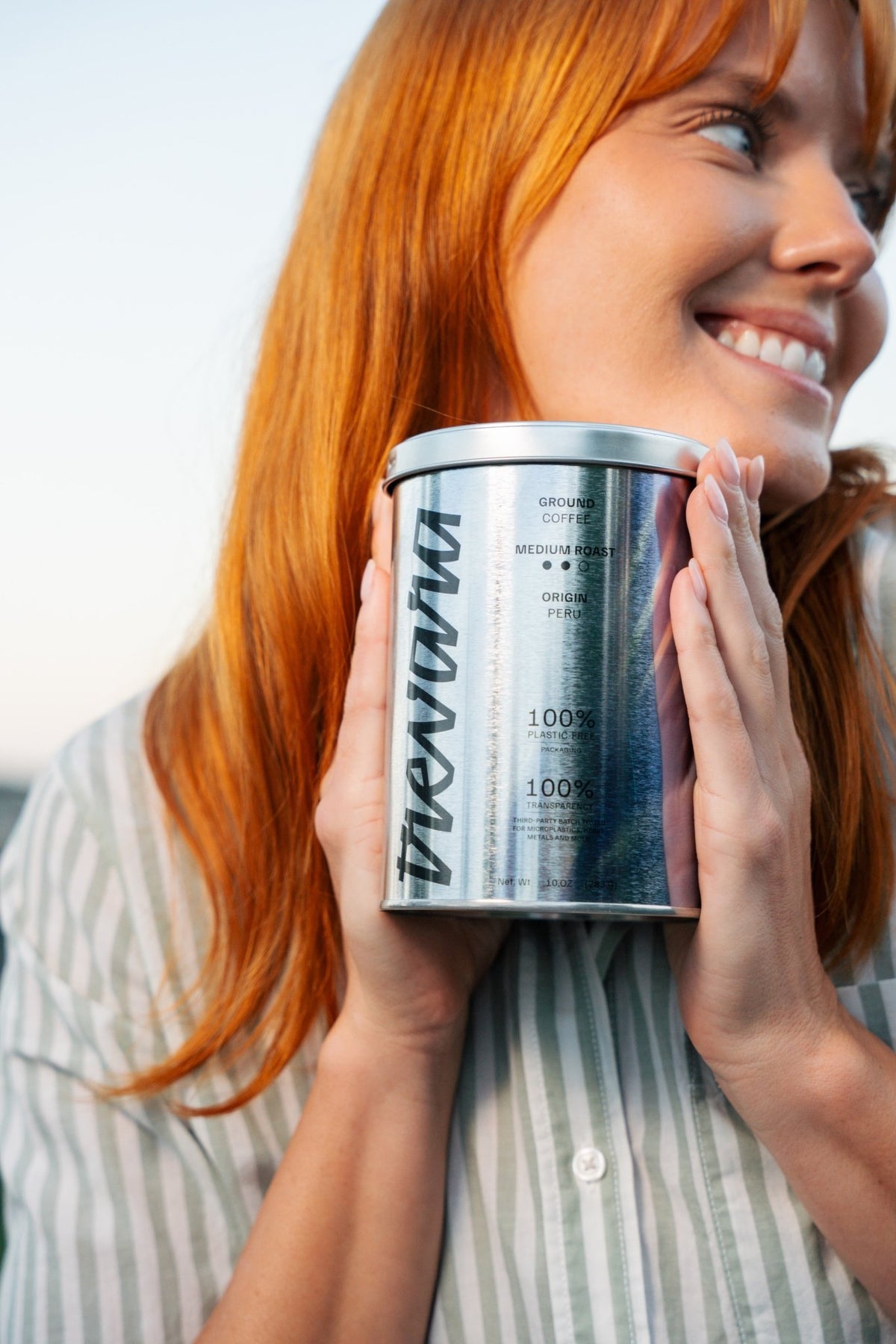
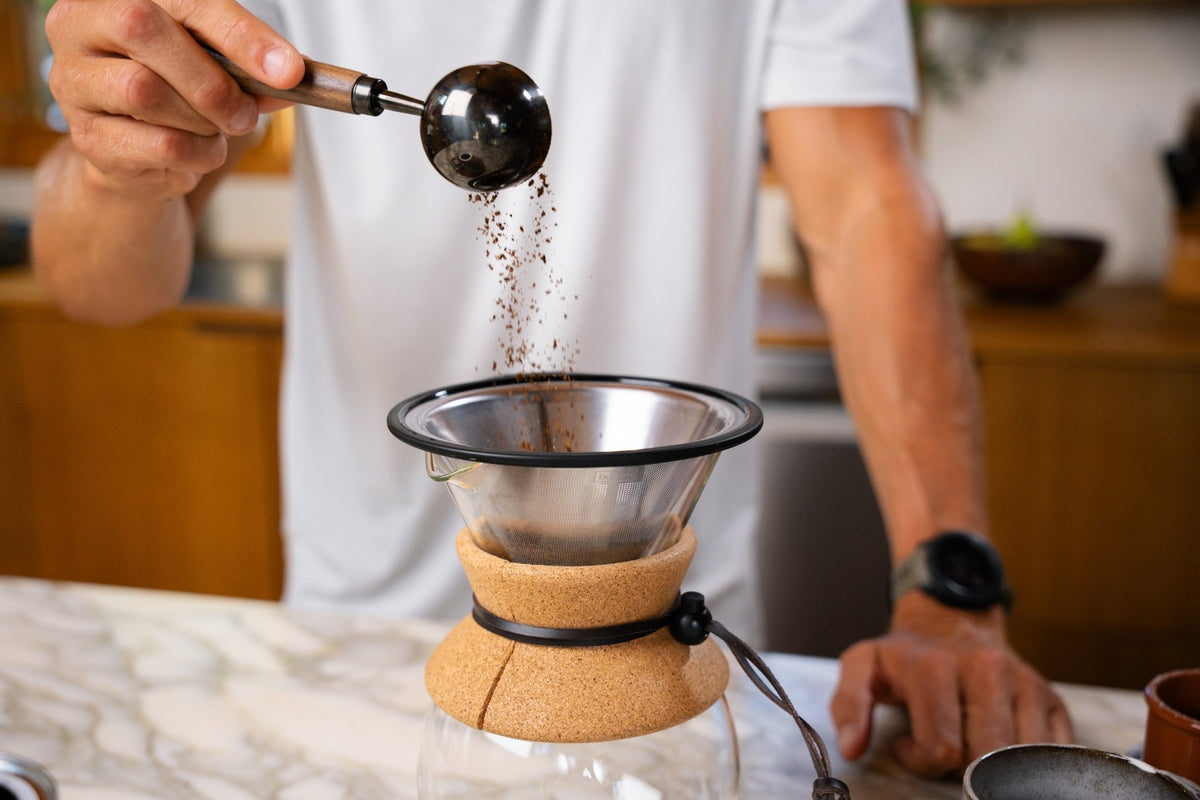
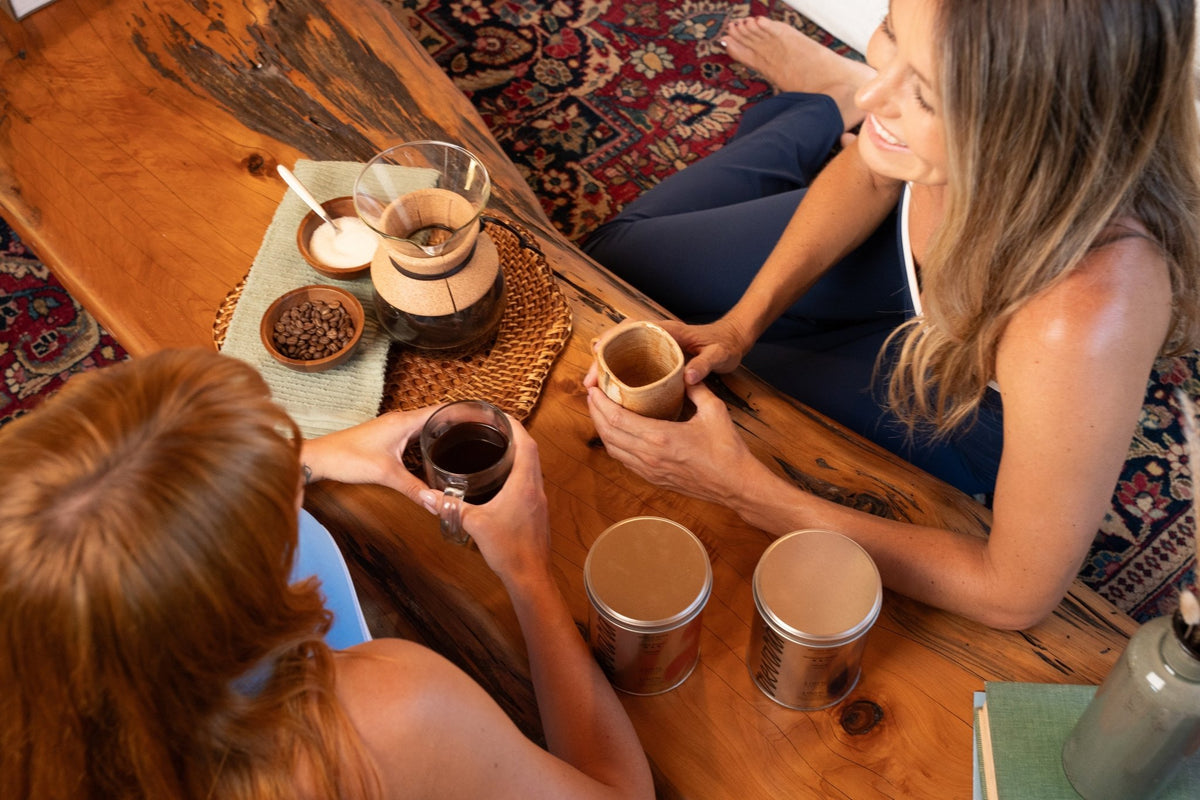
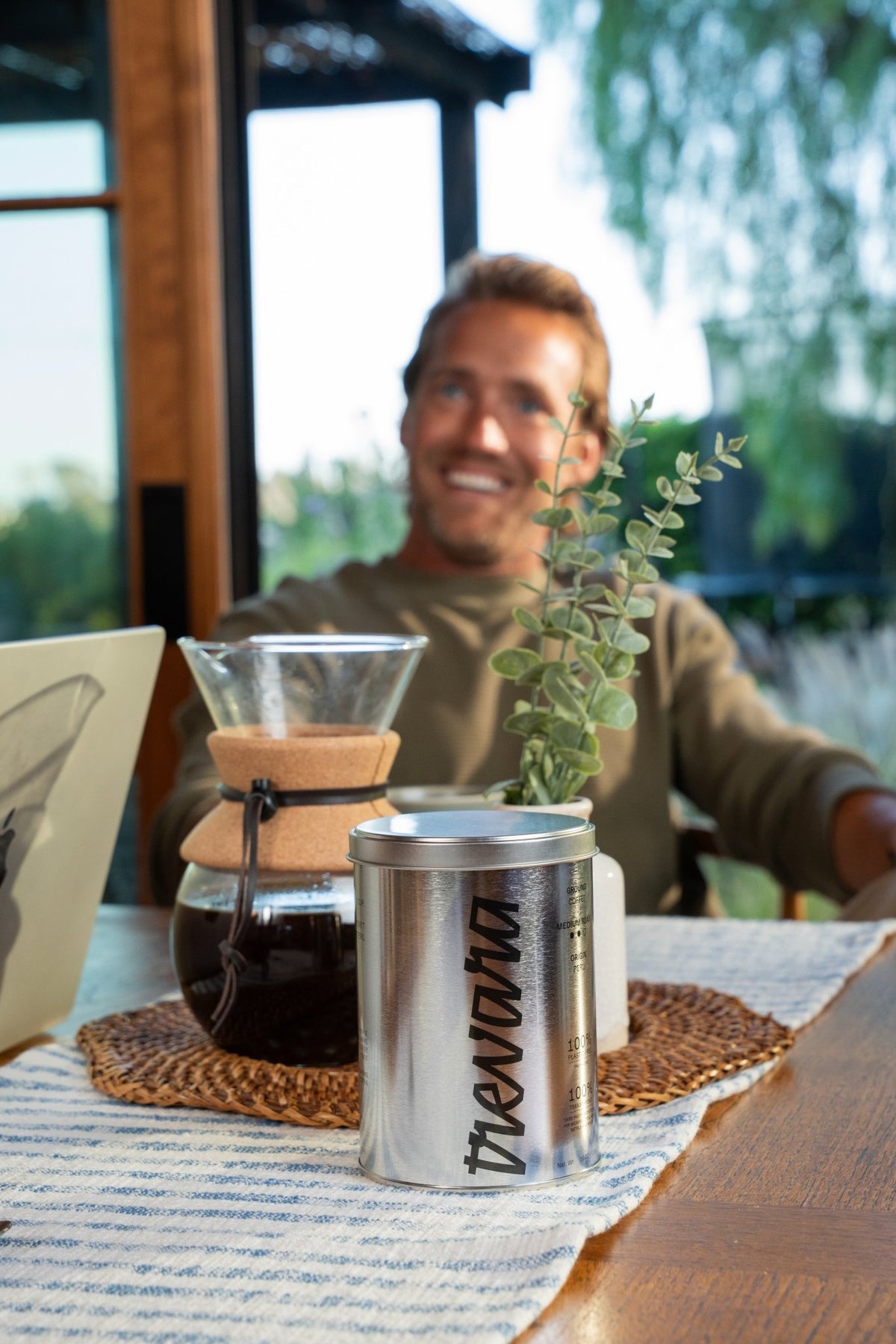
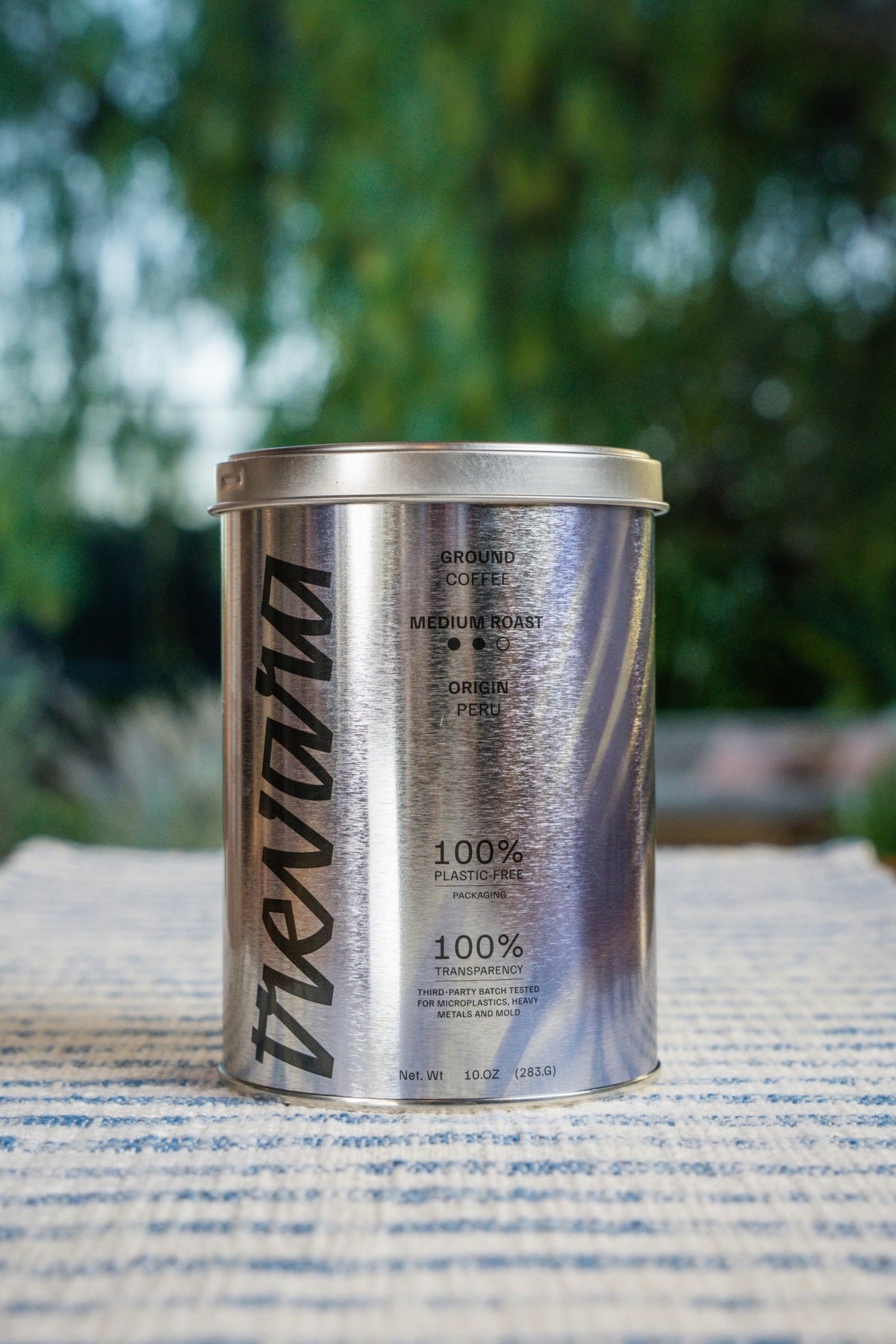
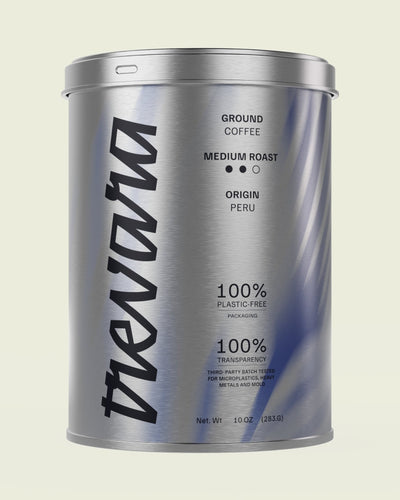
Specialty-grade single origin Peru, roasted medium. Sealed in a metal can — never plastic. Lab-tested every batch. Ground for drip and pour-over.
Amount10 oz per can
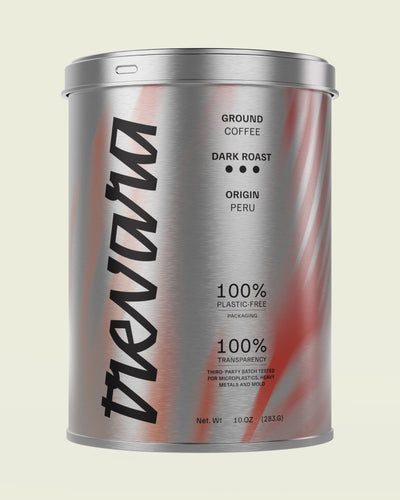
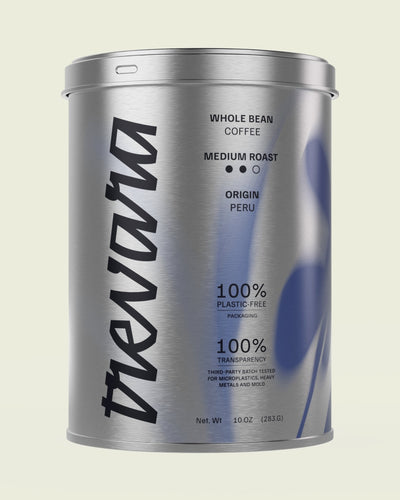
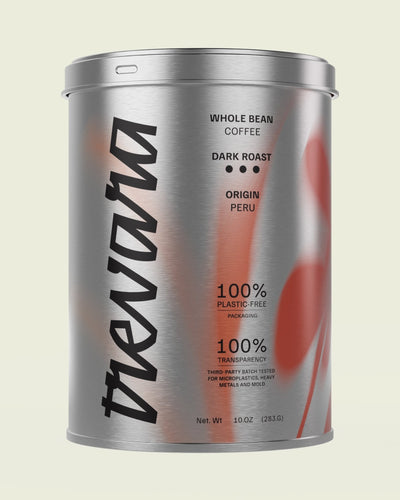
 Plastic-Free Packaging
 Lab-Tested Every Batch
 Free Shippingon 2+ cans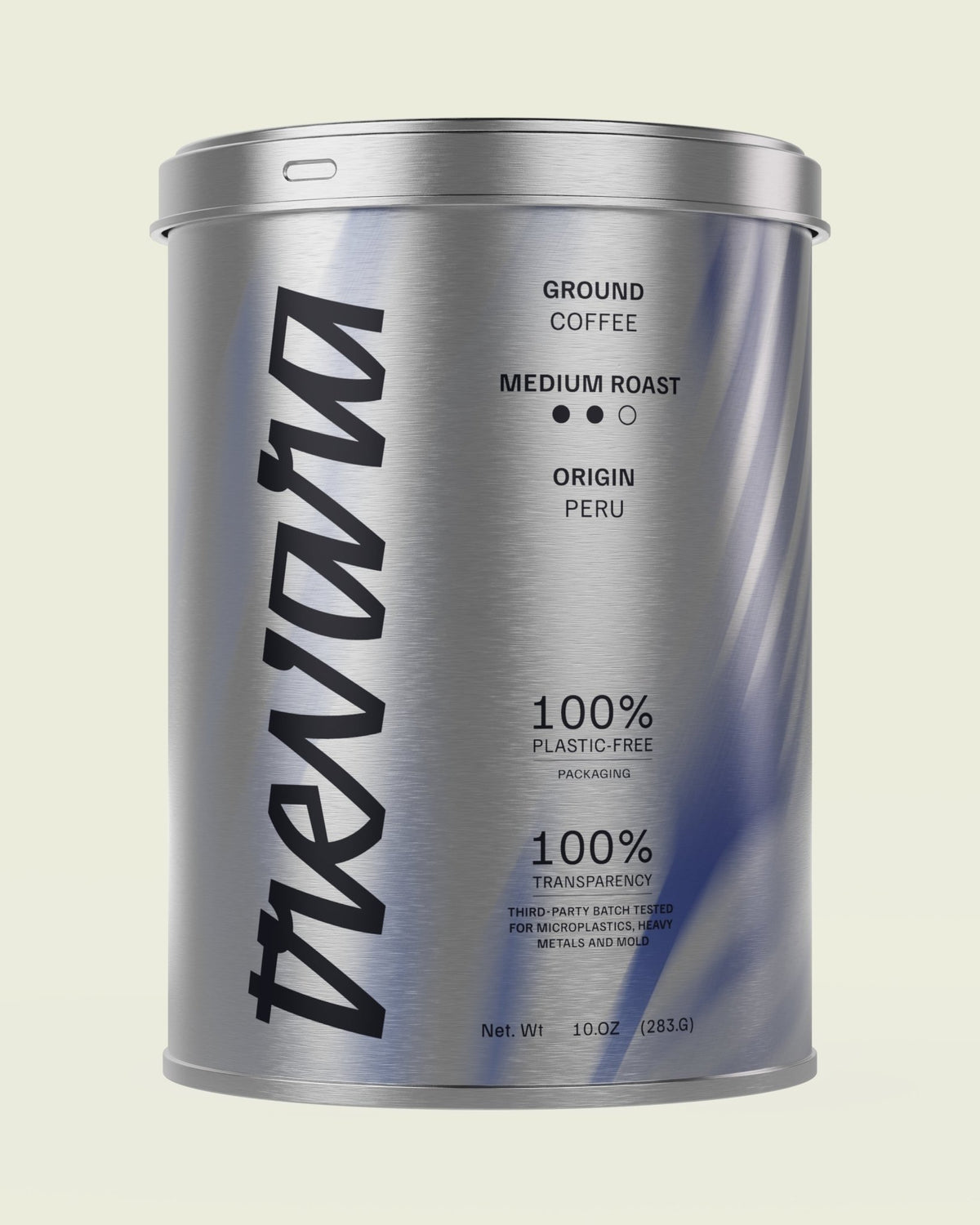
of daily microplastic intake comes from coffee.
Univ. Birmingham · 2025microplastic particles in a typical hot cup.
Indep. lab review · 2024higher risk of heart attack, stroke, or death when microplastics are found in arterial plaque.
NEJM · 2024of daily microplastic intake comes from coffee.
microplastic particles in a typical hot cup.
higher risk of heart attack, stroke, or death when microplastics are found in arterial plaque.
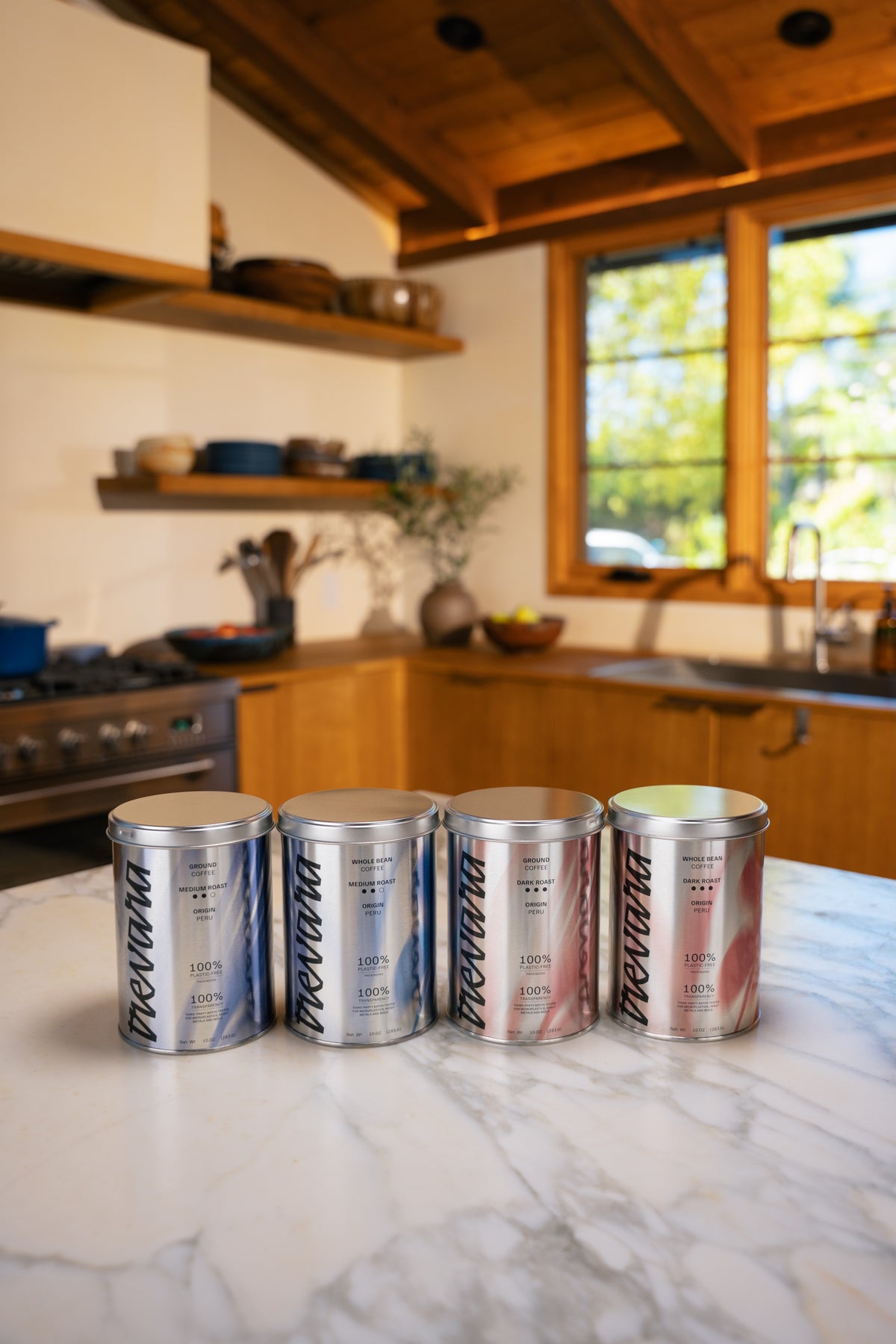
A sealed metal can. Nothing plastic touches the beans between the roaster and your kitchen.

Microplastics, mold, heavy metals, mycotoxins — four measures, run by an independent lab on every batch.
The QR on your can pulls the report for the batch in your hand.
No confirmed microplastic particles above 50 microns, per 8oz cup.
PassWell below safe-handling thresholds.
PassArsenic, cadmium, lead and mercury all below 0.025 ppm.
PassAflatoxins, ochratoxin A, DON, fumonisins, T2 and zearalenone all below detection limits.
Pass
Medium · 3 / 5
Gentle · 2 / 5
Smooth & round · 3 / 5
Cocoa & stone fruit · 3 / 5


Altitude
1,000–1,800m
Process
Fully washed, sun dried
Varietals
Typica, Caturra, Catuaí, Bourbon


No plastic touches the coffee at any point we control — from the roaster to the sealed metal can that lands on your doorstep.
Better. It's opaque, rigid and airtight — and light and oxygen are what stale coffee. A sealed metal can keeps both out.
Microplastics, mold, heavy metals and mycotoxins — four measures, run by SGS, an independent accredited lab, on every batch. We publish the full report, thresholds included.
Honestly, nobody knows yet. The research is early, and anyone selling you certainty is selling you something. What is established: microplastics accumulate in the body, and there is no known way to remove them. That makes reducing exposure the only lever — and a daily coffee is one of the more consistent sources. We're not claiming a health benefit. We're removing an exposure and showing you the measurement.