

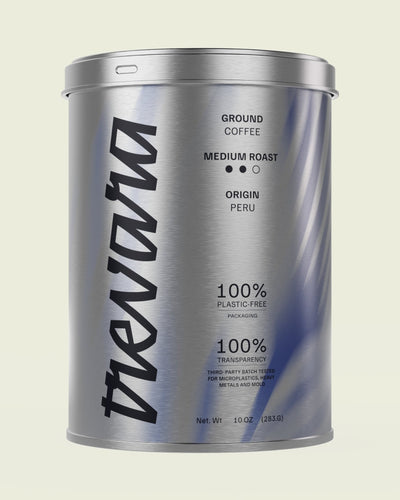
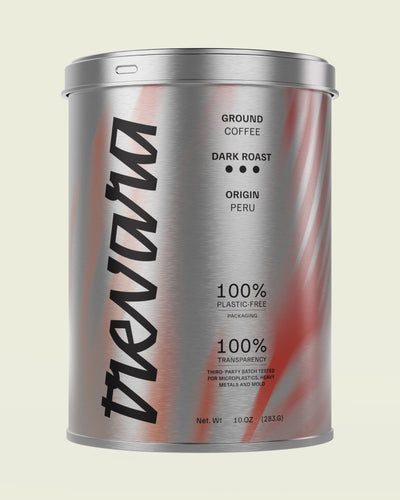
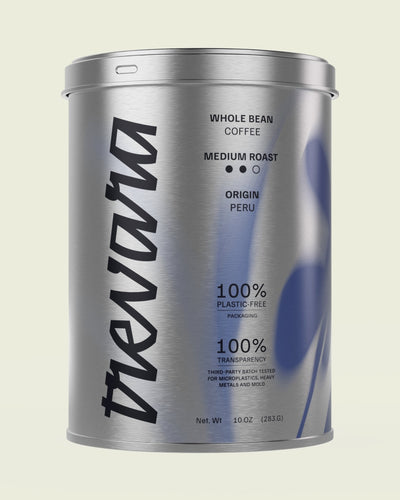
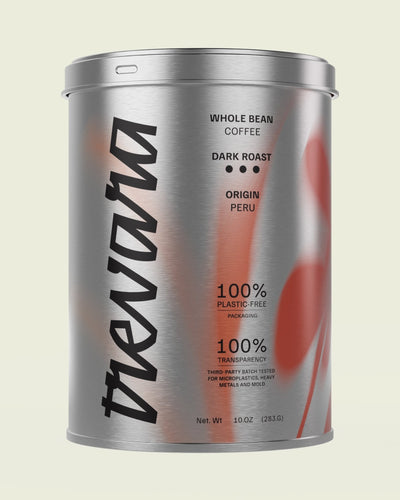


BATCH
№1.
We roast a sample from every batch and send it to SGS, an independent lab. If it doesn't pass, we don't sell it.
Lab result
All clear
Tests passed
4 of 4


Four measures. Four passes.
No confirmed particles above 50 microns, per 8oz cup.
Below the lab's reporting threshold.
Ten mycotoxins screened. None found.
Arsenic, cadmium, lead and mercury, all under 0.025 ppm.


What the numbers mean.
Microplastics.
We test the roasted bean, so this is what arrives in your can — before your grinder or filter adds anything.
Mold.
Mold enters coffee at the mill and in storage, not in your kitchen — which is why we test the beans rather than the brew.
Mycotoxins.
Aflatoxins B1, B2, G1 and G2 under 1 ppb each, ochratoxin A under 1 ppb, plus DON, both fumonisins, T2 and zearalenone — all below detection.
Heavy metals.
Arsenic, cadmium, lead and mercury, each under 0.025 ppm — the lowest level the method reports. Nothing detected.

How a batch becomes
a report.
1
Roast a sample.
Same machine, same profile as the coffee we sell, so the lab tests what you drink.
2
Send it to SGS.
We don’t test our own coffee. An independent lab runs every measure.
3
Publish the report.
Whole PDF, unedited, pass or fail. A failed measure means the lot never ships.
Every batch we've tested.
| Batch | Origin | Tested | Microplastics | Mold | Mycotoxins | Heavy metals | Status | Lab report |
|---|---|---|---|---|---|---|---|---|
|
№1
|
PeruAmazonas
| 27 Jul 2026 | 0 | <10 CFU/g | non-detect | non-detect | Pass |


Batch №1 is
shipping now.
Single-origin Peru, medium or dark. Every can ties back to the report above.