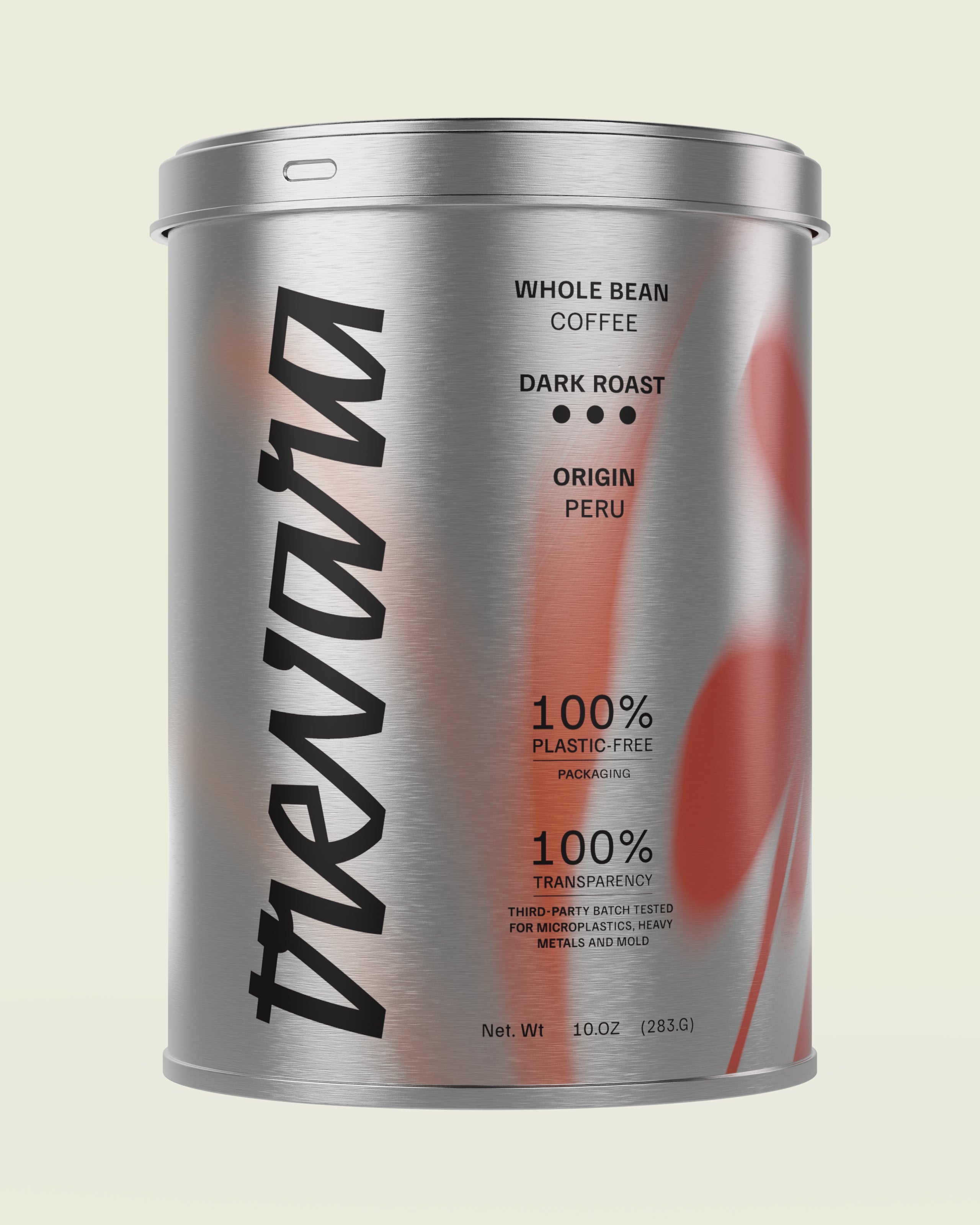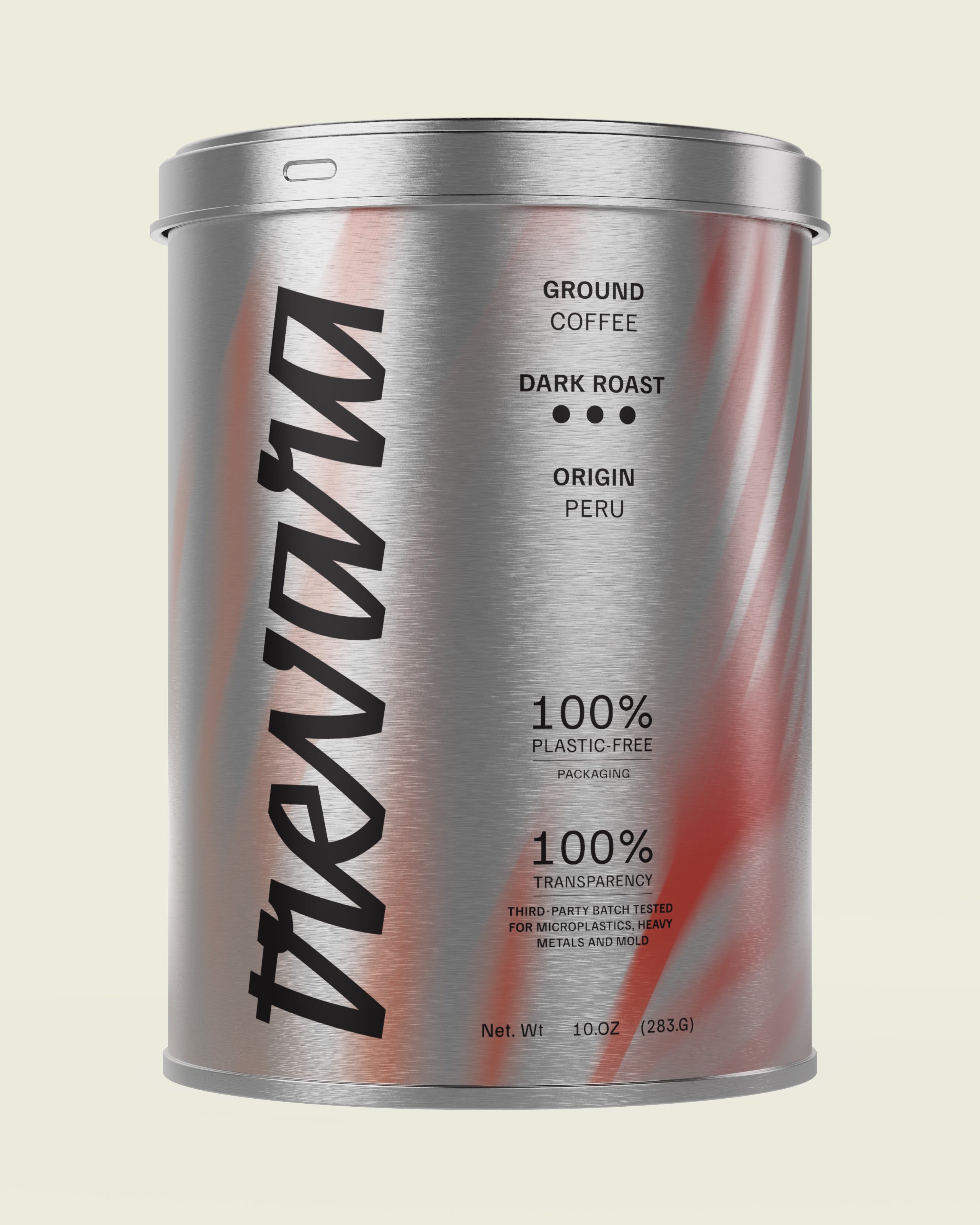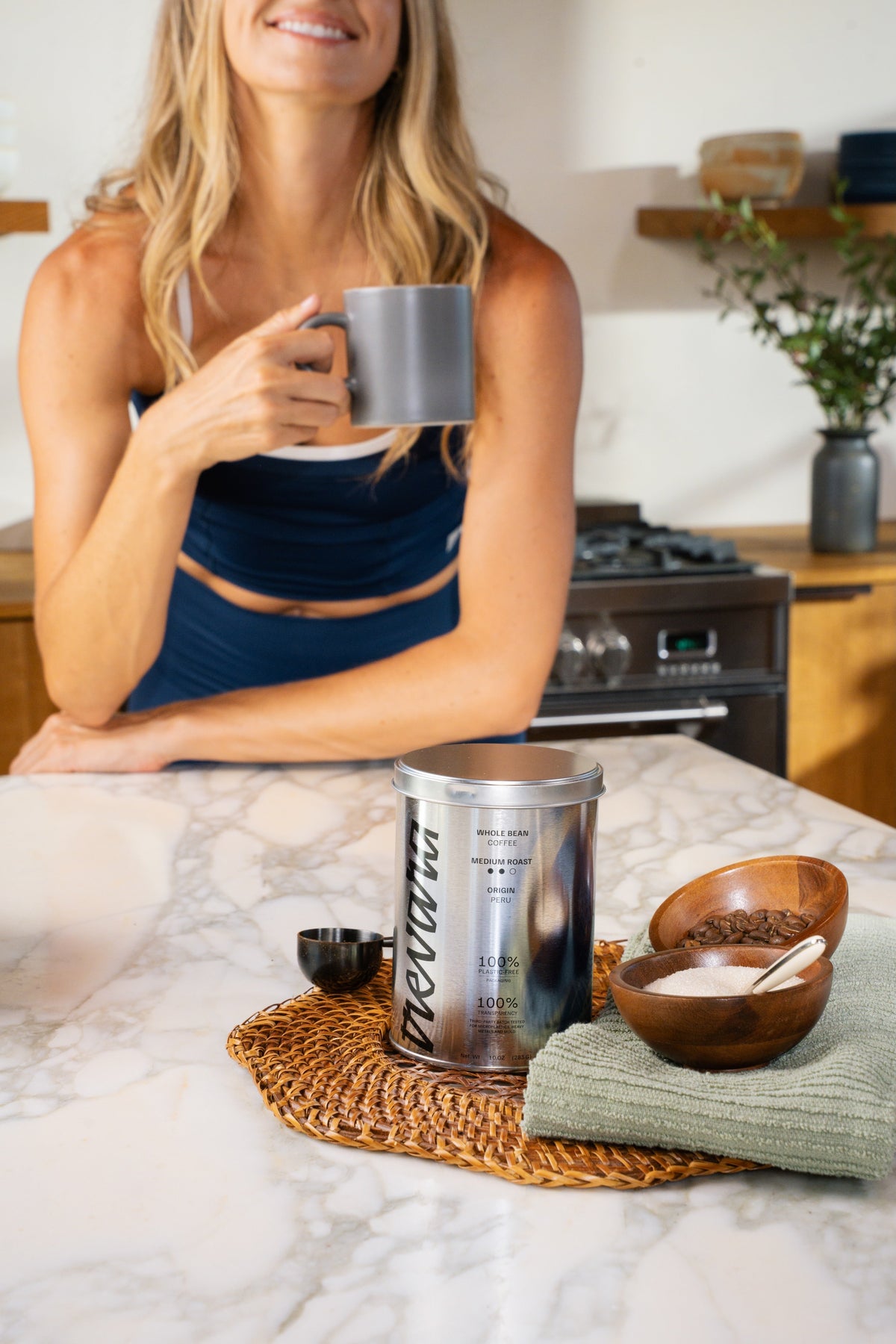


Before you brew it, your coffee has been resting against a plastic lining for weeks or months. Here’s what the research actually shows about what moves from packaging into your cup, and what doesn't.

Key Takeaways
- Coffee is usually sold in multilayer bags with a polyethylene inner lining that sits against the beans for weeks or months.
- Research shows that chemicals can migrate from polyethylene packaging into food, and, separately, that some plastic brewing formats like drip bags shed microplastic particles into the cup during brewing.
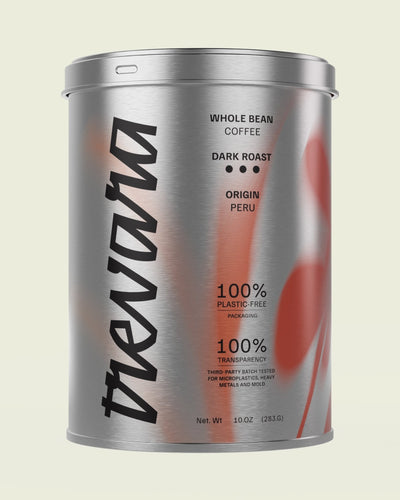
- How much plastic actually reaches dry roasted beans in storage is not well established, but stainless steel packaging removes the question. Stainless steel packaging is airtight, moisture-proof, lightproof, and resistant to chemical leaching.
By now you may have heard that microplastics can end up in your coffee, which is reason enough to start eyeing a plastic-free brewer. But the brewer isn’t the only place plastic meets your coffee.
By the time you open a bag, the beans have usually been resting against a plastic lining for weeks or months. This article looks at how coffee is typically packaged, what the research does and doesn’t show about what moves from that packaging into your cup, and why plastic-free packaging may be worth considering.
How coffee is packaged and why it matters
Coffee is rich in antioxidants and bioactive compounds, but those same properties make it sensitive to oxygen, light, and moisture, all of which degrade the beans over time. To slow that down, coffee is typically sold in multilayer plastic-lined bags.
Multilayer bags are usually built from an outer paper layer, a middle aluminum layer, and an inner plastic layer. For coffee, the innermost layer is the one to consider, since it’s what touches the beans.
According to a 2025 review in Foods, polyethylene (PE) is one of the most common food-packaging plastics, and PE linings can be a source of microplastic contamination under the right conditions.
By the time the beans have entered your brewer, they could have been sitting in a bag for weeks or months. Storage time matters because migration isn’t only a heat-driven process. In one study, low-density polyethylene was detected migrating onto the surface of refrigerated cheese within 14 days at 4 degrees Celsius. That means plastic migration can happen even in cold environments.
What the coffee packaging research actually shows
The current research specifically in coffee packaging is thin, but the 2025 Foods review found that several factors drive microplastic release from PE packaging, including temperature, contact time, and pH.
The clearest examples of acid degrading multilayer film come from strongly acidic products: in the studies the review cites, hot sauce (pH 2.7 to 3.1) and acetic acid oxidized and delaminated the packaging layers. Brewed coffee is far milder, at around pH 5, and a bag of dry beans isn’t a liquid bathing the lining, so how much of this applies to coffee packaging specifically is still being investigated.

Packaging protects your coffee, not just from plastic
It’s easy to treat packaging purely as a contamination question, but the stronger and better-established reason to care about it is quality. Roasted coffee is delicate. It’s very dry, under about 3 percent moisture, and full of volatile aromatic compounds that begin fading the moment the beans meet oxygen, light, and humidity. Packaging exists to hold those out, and how well it does that has a measurable effect on the cup.
The evidence is clearest for what happens after you open the bag. In a 2022 study, researchers compared four ways of storing beans once the original seal was broken and found that an airtight, resealable pack preserved freshness noticeably longer than loosely reclosing the bag with a clip or tape. The lesson is more about principle: an airtight seal, kept dark and dry, is what slows staling.
Packaging can even affect the beneficial compounds coffee carries. Chlorogenic acid, one of coffee’s main antioxidants, is sensitive to light, oxygen, moisture, and time, and a study tracking green beans across different packaging over months of storage found that better barrier materials preserved more of it. The same oxygen and moisture that stale the flavor also chip away at the compounds that make coffee worth drinking in the first place.
Here is where it comes together for materials. The properties that best protect coffee, an airtight, opaque, moisture-proof barrier, are exactly the properties of the plastic-free options worth looking for. Stainless steel and glass are rigid, sealable, and lightproof, so choosing them is both prioritizing freshness and avoiding plastic at the same time.
What about microplastics in coffee pods and filters?
Where the particle evidence is strongest is during brewing, not storage. Single-serve pods and drip bags are made of plastic, and because they meet hot water, they can shed microplastics straight into the cup. Research published in Food Chemistry found that a single plastic drip bag steeped at 95 degrees Celsius for five minutes released more than 10,000 microplastic particles into one cup of coffee.
Drinking 3 to 4 cups of coffee a day from plastic drip bags could mean ingesting up to 50,000 microplastic particles daily. — Wang et al., Food Chemistry, 2023
What to look for in plastic-free coffee packaging
The materials around your morning coffee are worth attention. A few things to check for:
-
Stainless steel canisters: They don’t leach chemicals or shed particles into your beans.
-
Plant-based or compostable linings: Some brands use these in place of polyethylene.
-
Transparent labeling: Brands that clearly disclose their packaging materials tend to take the issue seriously.
-
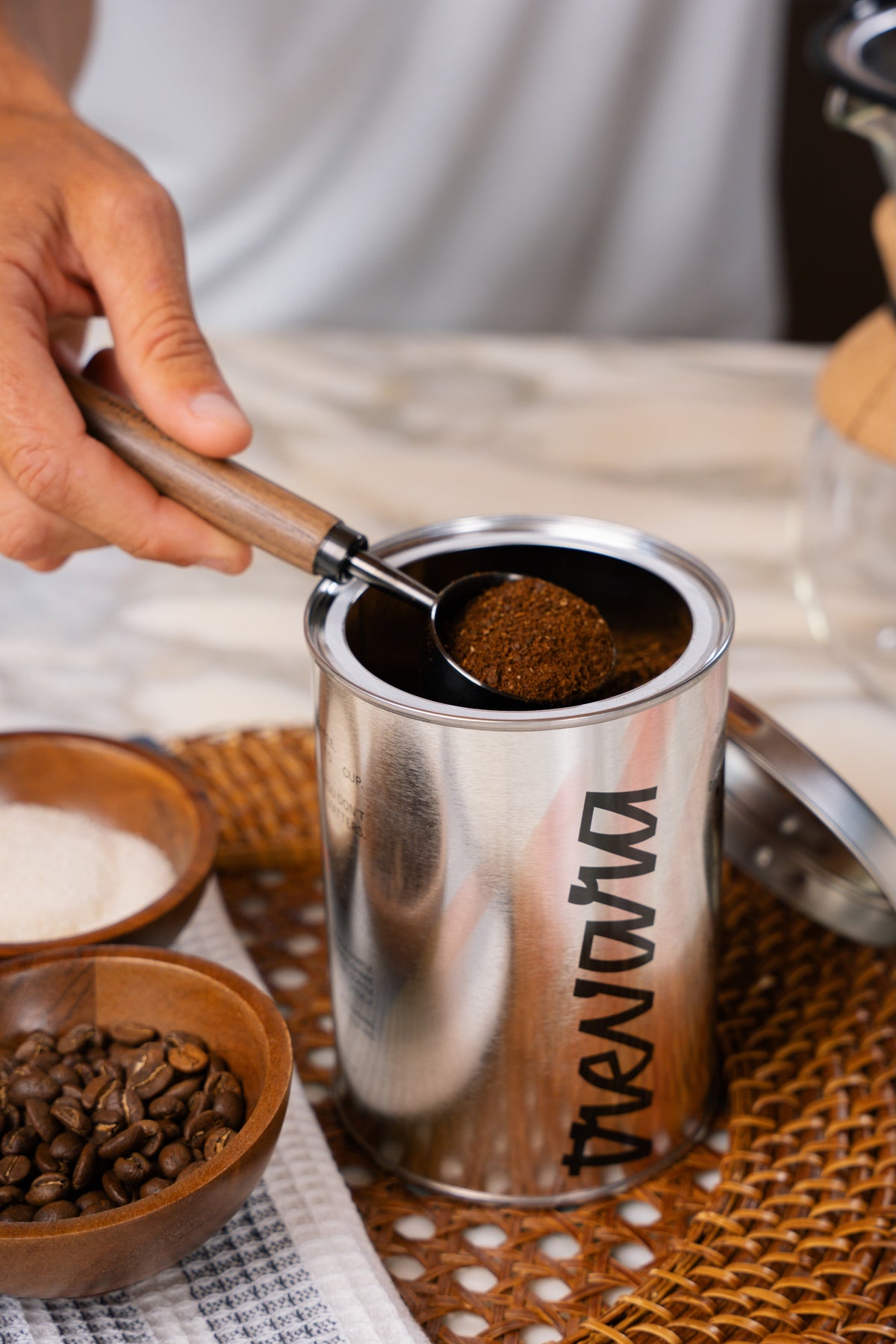
Plastic-free storage at home: Once a bag is open, moving beans into stainless steel, glass, or ceramic preserves quality.
-
Independent batch testing: Third-party results for microplastics, mold, and heavy metals tell you what's actually in the coffee.
What does this mean?
Chemicals clearly migrate from polyethylene packaging into food, and microplastic particle release is best demonstrated during brewing, where a plastic drip bag can shed thousands of particles into a single cup.
Whether particles move into dry beans sitting in a bag is less settled, since most of that research tested moist, fatty, or acidic foods rather than something as inert as roasted coffee. Either way, the materials touching your coffee are worth choosing well, and the brewing step is where it matters most.
So the sensible takeaway isn’t alarm. It’s that packaging and brewing materials are worth choosing well, both to protect bean quality and to reduce plastic contact where it's easy to do so.
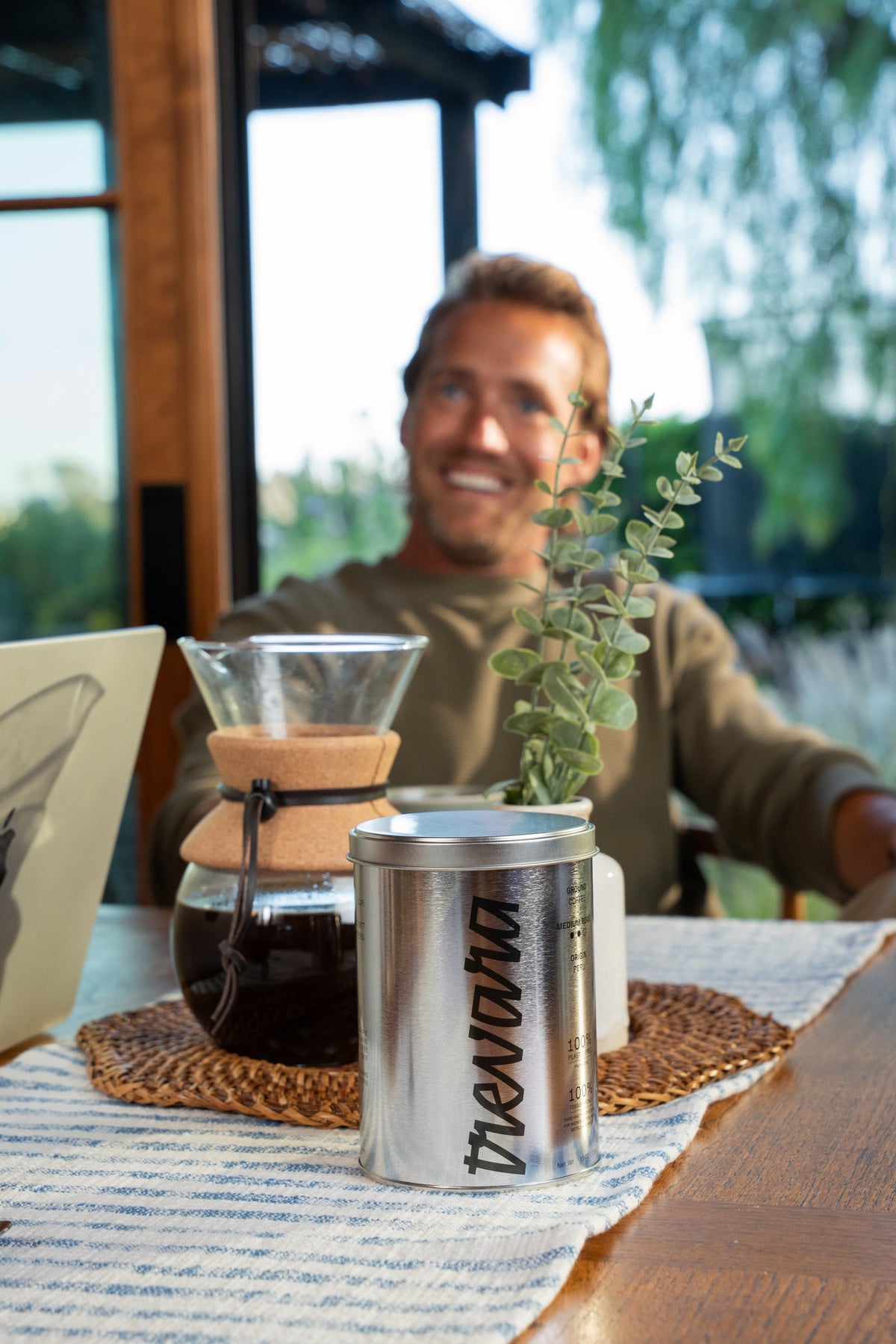
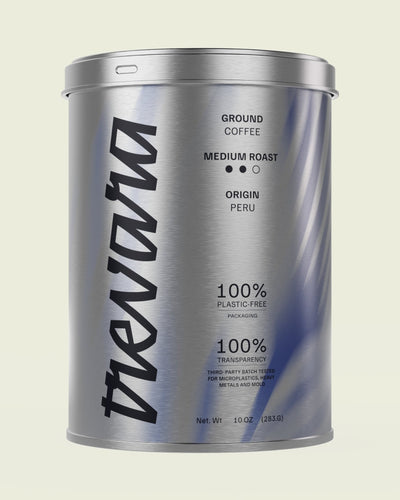
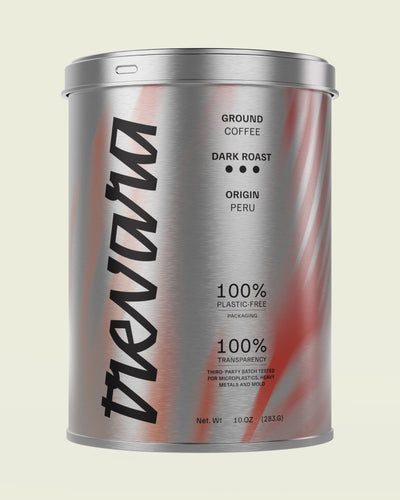
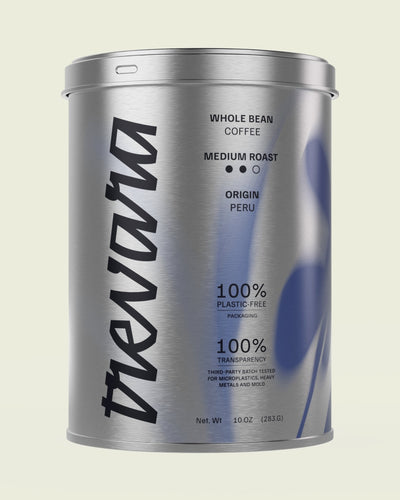
That’s where Trevara comes in. Trevara packages its beans in plastic-free materials and builds its brewers from stainless steel and glass, keeping plastic away from your coffee from the shelf to the cup.
Explore plastic-free coffee at Trevara.
Article sources
-
Kowalczyk P, Kadac-Czapska K, Grembecka M. Polyethylene packaging as a source of microplastics: current knowledge and future directions on food contamination. Foods. 2025;14(14):2408. doi:10.3390/foods14142408
-
Gerassimidou S, Geueke B, Groh KJ, Muncke J, Hahladakis JN, Martin OV, Iacovidou E. Unpacking the complexity of the polyethylene food contact articles value chain: a chemicals perspective. J Hazard Mater. 2023;454:131422. doi:10.1016/j.jhazmat.2023.131422
-
Katsara K, Kenanakis G, Viskadourakis Z, Papadakis VM. Polyethylene migration from food packaging on cheese detected by Raman and infrared (ATR/FT-IR) spectroscopy. Materials (Basel). 2021;14(14):3872. doi:10.3390/ma14143872
-
Velotto S, Squillante J, Nolasco A, Romano R, Cirillo T, Esposito F. Occurrence of phthalate esters in coffee and risk assessment. Foods. 2023;12(5):1106. doi:10.3390/foods12051106