

Microplastics are turning up in nearly everything we eat and drink, and your daily coffee is no exception. Here’s what the research actually shows, and the small changes that make the biggest difference.

Key Takeaways
- A 2025 University of Birmingham study found microplastics in every single beverage tested, including hot and iced coffee.
- Hot coffee averaged 43 microplastic particles per liter, with heat a major driver of plastic release.
- Small changes add up. The cup you drink from and the materials your brewer is made of are two of the easiest places to cut exposure.
People are paying closer attention to what goes into their bodies, and coffee is no exception. As customers ask for more transparency, brands are responding with simpler products made from materials you can actually recognize.
But what you drink from is only part of the picture. The harder thing to spot comes earlier. Plastic can work its way into your coffee during packaging and brewing, no matter what your cup is made of. If coffee is part of your daily routine, every step is worth a closer look.
Below, we break down why microplastics end up in your coffee, what the research actually shows, and the small changes that can make a big impact.
What are microplastics, and how do they end up in coffee?
Microplastics are tiny plastic particles measuring up to 5 millimeters across, many of them too small to see with the naked eye. Nanoplastics are even smaller, measuring below a single micrometer.
Research on nanoplastics specifically is still emerging, but they’re already considered a growing area of scientific concern.
So why do these particles end up in your cup? It comes down to two things: heat, and the sheer number of plastic touchpoints between the coffee plant and your mug.
Heat from brewing releases microplastics.
Most coffee equipment contains plastic, and that matters because heat, friction, and everyday wear can cause it to break down and shed particles during brewing.
A 2026 review by researchers at the Chinese Academy of Sciences and Zhejiang University found that higher temperatures release more plastic into food and drink. Coffee machines run near-boiling water through the system on every cycle, so particles can leach into each batch. Over time, that steady drip turns microplastics into a regular exposure you’re getting from your daily cup.
Microplastics accumulate from many sources.
Plastic shows up at nearly every stage of the coffee process, and each touchpoint is a potential source, often linked to either heat or exposure.
-
Plastic-lined disposable cups: The lining stops drinks from leaking, but it can shed microplastics when it holds hot liquid.
-
Plastic-lined packaging: A systematic review in npj Science of Food found that heat, friction, and long-term storage can cause plastics to migrate from packaging into food.
-
Coffee machine components: With repeated heat exposure, plastic parts degrade over time and release particles into brewed coffee.
-
Plastic drip bags: Single-serve bags that look like paper are often part plastic. A 2023 study found one bag steeped in hot water can shed over 10,000 particles into a cup, though plain cellulose paper filters aren't a meaningful source.
-
Plastic coffee pods: Direct contact with hot, pressurized water can drive microplastics from the pod into your drink.
What the research says about microplastics in hot drinks
The most comprehensive look at this so far comes from researchers at the University of Birmingham, who measured the plastic content of 155 different drinks sold across the UK, including coffee, tea, soft drinks, and juices.
Not one was free of microplastics. Every drink had been packaged, brewed, or served in plastic at some point, and it showed in the data.
155 beverages tested. 100% contained microplastics. — Al-Mansoori et al., Science of the Total Environment, 2025
What the Birmingham study found
Concentrations varied by drink type and temperature:
-
Iced coffee averaged 37 microplastics per liter
-
Hot coffee averaged 43 microplastics per liter
-
Hot tea averaged around 60 microplastics per liter
The jump in hot tea likely comes from teabags. Many commercial bags are sealed with plastic-based materials that leach into the cup as they steep, giving tea an extra dose on top of everything else.
So how much are you actually ingesting?
Scaled to typical daily habits, the researchers estimated that UK adults may take in more than 100 microplastic particles from beverages alone each day. And that figure covers drinks only. It doesn’t account for the microplastics found in food, air, and the wider environment.

Should you be concerned about plastic particles in coffee?
In general, most scientists agree that continuous exposure to plastic isn’t great for your system. That being said, research on the health effects of microplastic exposure is early, but one systematic review linked their presence in the body to inflammation and hormonal disruption.
The more we learn, the easier it becomes to make informed choices about the materials we use every day. Taking small steps to reduce exposure can help you feel your best over time and limit risks from microplastics.
Can you completely cut plastic from your coffee?
Cutting plastic out of your coffee isn’t entirely in your hands. Plastic-free options can be hard to find, and products vary a lot, so researchers argue the bigger fixes have to happen at the market level, through plastic-free packaging and brewing set as the default rather than the exception.
The U.S. is among the world’s largest producers and consumers of plastic, and tighter manufacturing standards could push companies toward cleaner alternatives and clearer labeling.
Individual steps you can take to reduce your exposure
That said, a few individual changes do add up. Disposable plastic-lined cups stood out as major contributors to plastic in drinks, so switching to stainless steel, glass, or ceramic where you can is a strong place to start.
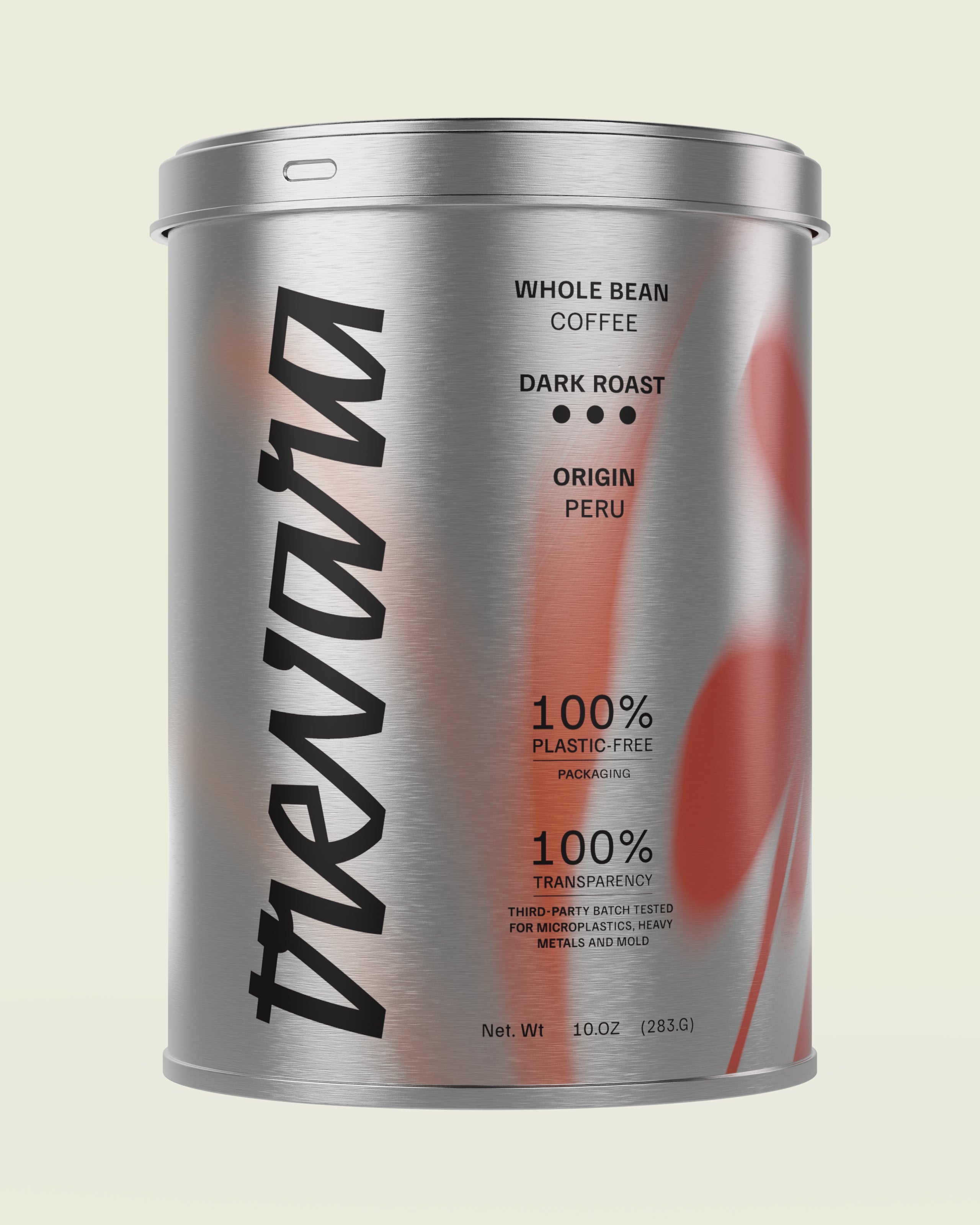
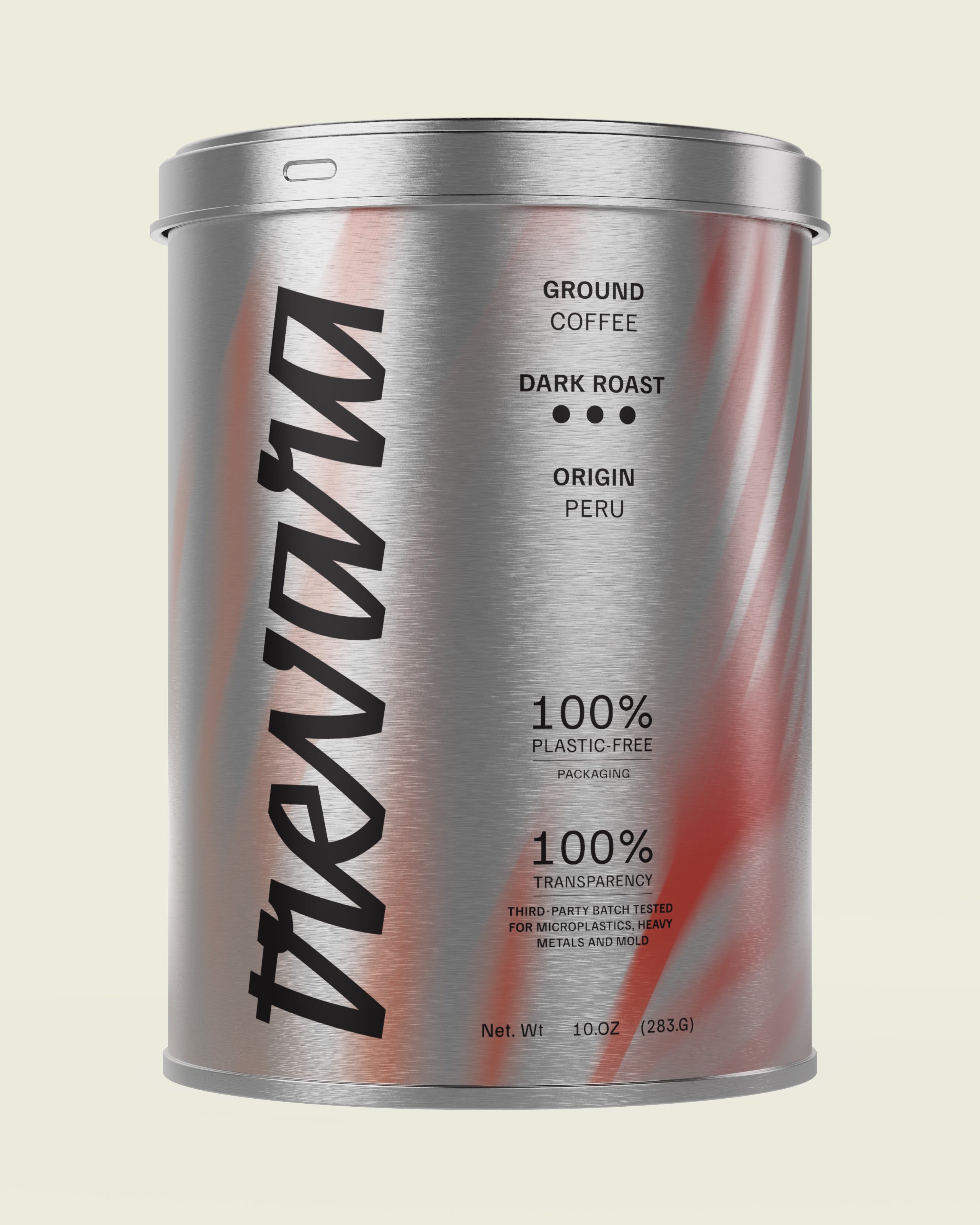
From there, the wins are small but easy: buy beans packaged in metal rather than plastic-lined bags, choose a brewer without plastic components, and skip single-use cups when you have the option.
What does this mean?
So what does the research actually say about microplastics in coffee? After testing 155 beverages, the University of Birmingham study confirmed that microplastics are present in every drink, with hot ones carrying the highest concentrations.
A 2026 review from the Chinese Academy of Sciences and Zhejiang University reinforced why, pointing to heat from kitchen appliances like coffee machines as a key driver of plastic release.
And separate work has shown that plastic can migrate from packaging into food and drink over time, helped along by prolonged heat and friction.
None of this means giving up your morning cup. It means the materials around it are worth a second look. Choose them well, and you can meaningfully cut your daily plastic intake without much effort at all.
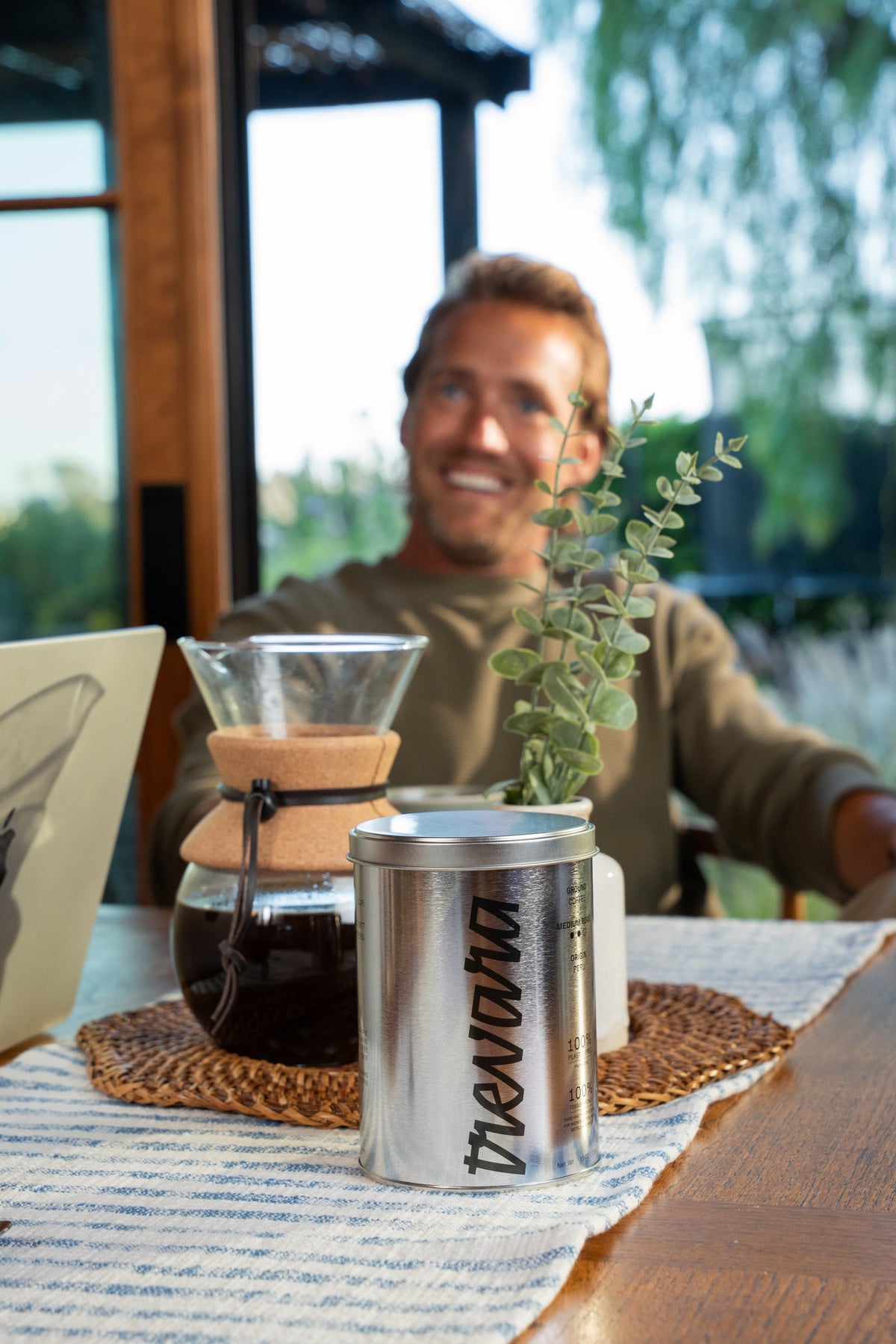
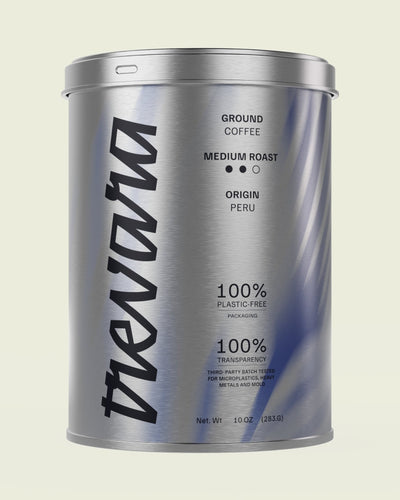
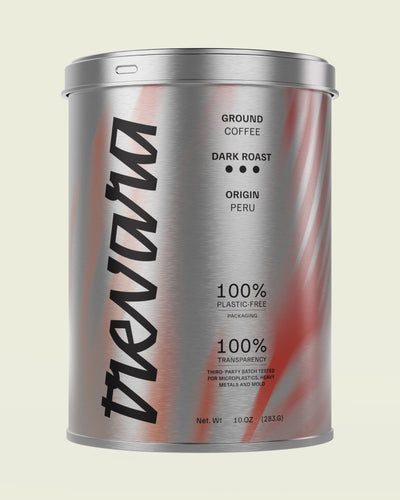
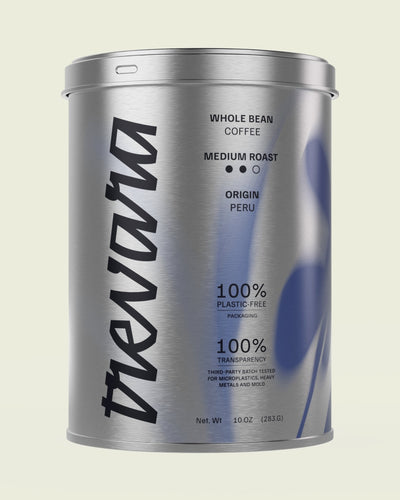
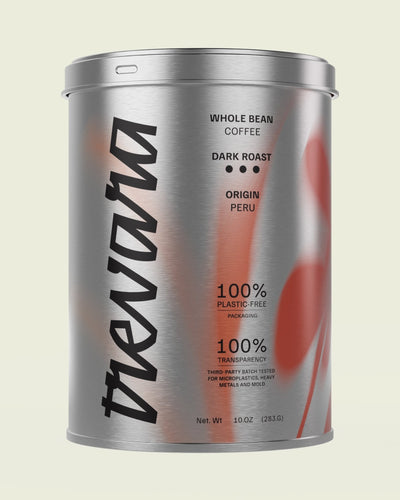
That’s where Trevara comes in. Trevara builds coffee around the two touchpoints the research flags most, the beans and the brewer, with plastic-free packaging and brew machines designed to keep plastic out of your cup from the first step.
Explore plastic-free coffee at Trevara.
Article sources
-
Rehman ZU, Song J, Pastorino P, et al. From kitchen to cell: a critical review of microplastic release from consumer products and its health implications. Toxics. 2026;14(1):94. doi:10.3390/toxics14010094
-
Ranjan VP, Joseph A, Goel S. Microplastics and other harmful substances released from disposable paper cups into hot water. J Hazard Mater. 2021;404(Pt B):124118. doi:10.1016/j.jhazmat.2020.124118
-
Zimmermann L, et al. Food contact articles as source of micro- and nanoplastics: a systematic evidence map. npj Sci Food. 2025. doi:10.1038/s41538-025-00470-3
-
Zangmeister CD, Radney JG, Benkstein KD, Kalanyan B. Common single-use consumer plastic products release trillions of sub-100 nm nanoparticles per liter into water during normal use. Environ Sci Technol. 2022;56(9):5448-5455. doi:10.1021/acs.est.1c06768
-
Al-Mansoori M, Harrad S, Abdallah MA. Synthetic microplastics in hot and cold beverages from the UK market: comprehensive assessment of human exposure via total beverage intake. Sci Total Environ. 2025;996:180188. doi:10.1016/j.scitotenv.2025.180188
-
Hernandez LM, Xu EG, Larsson HCE, Tahara R, Maisuria VB, Tufenkji N. Plastic teabags release billions of microparticles and nanoparticles into tea. Environ Sci Technol. 2019;53(21):12300-12310. doi:10.1021/acs.est.9b02540
-
Wang HP, Huang XH, Chen JN, Dong M, Zhang YY, Qin L. Pouring hot water through drip bags releases thousands of microplastics into coffee. Food Chem. 2023;415:135717. doi:10.1016/j.foodchem.2023.135717
-
Ririe AK, Fatema N, Dina TJ, et al. Impact of microplastic exposure on human health: a systematic review of mechanisms, biomarkers, and clinical outcomes. Cureus. 2025;17(12):e100295. doi:10.7759/cureus.100295
-
US Environmental Protection Agency. National Strategy to Prevent Plastic Pollution. Published April 2023. Accessed June 21, 2026. https://www.epa.gov/circulareconomy/national-strategy-prevent-plastic-pollution.